
Every mark on the felt has a job. This guide breaks down every zone, symbol, and printed rule on a blackjack table so you can sit down and play without second-guessing where anything goes.
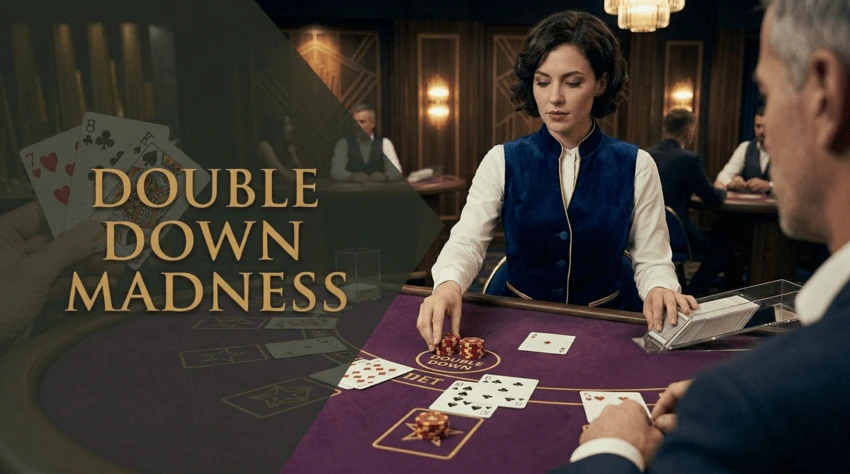
A blackjack table is a semicircle. You've seen it a hundred times, even if you've never sat at one. The curved side faces the players. The flat side belongs to the dealer.
Most tables seat five to seven players. Each player gets a designated spot along the curve, marked by a betting circle or square. That's your territory.
The shape isn't random. It gives the dealer a clear sightline to every hand, every bet, and every signal across the table. The whole game flows from left to right (from the dealer's perspective), and the layout keeps that movement clean and readable.
If you're playing blackjack with crypto at a live table online, the camera angle mirrors this exact setup. Same semicircle. Same structure. The layout translates perfectly to the screen because it was already designed for clarity.
Blackjack has been shaped by centuries of play. The table layout you see today is the result of all that history distilled into one efficient surface. If you're curious about how it evolved, the history of blackjack fills in the backstory.
The dealer stands behind the flat edge of the table. Their zone is compact and deliberately organized. Here's what's in it:
Every piece is placed where it is, so the game moves fast and stays visible. No hidden corners, no ambiguity.
Want to know how the dealer actually runs the table? How to deal blackjack covers the full sequence.
Your side of the table is where the action happens. Each spot has a few specific zones you should know before you put chips down.
This is the most obvious mark on the felt. A printed circle or square at each seat position. You place your wager here before the cards come out. Chips go inside this shape, nowhere else. If your chips are outside the circle, the bet may not count.
Once the hand starts, the dealer places your cards just above or behind the betting circle. In a face-up game (most common for shoe-dealt blackjack), you don't touch the cards. They sit in the open so the dealer and cameras can read them.
A curved line runs across the player side, usually printed with the words "Insurance pays 2 to 1." This sits between your cards and the dealer's area. If the dealer shows an ace, you can place an insurance bet on this line. It's a separate wager, and most strategy guides will tell you to skip it. But the line is there, and now you know what it's for.
Seats are numbered left to right from the dealer's point of view.
Third base gets the most scrutiny from other players. Some people believe the third base decision affects the dealer's outcome. That's mostly superstition, but the pressure is real. If you're new, first base or a middle seat is a calmer place to start.
Not sure what all the terminology means? The blackjack glossary clears up every term. And if you want to know what those colored chips in front of you represent, check the chip values and colors.
Here's something a lot of new players overlook: the felt talks to you.
Printed directly on the table surface are house rules that affect your odds and payouts. Read them before you sit down. Seriously. Two tables side by side in the same casino can have different rules, and those differences change the math.
These details aren't decorative. They're the rules of engagement.
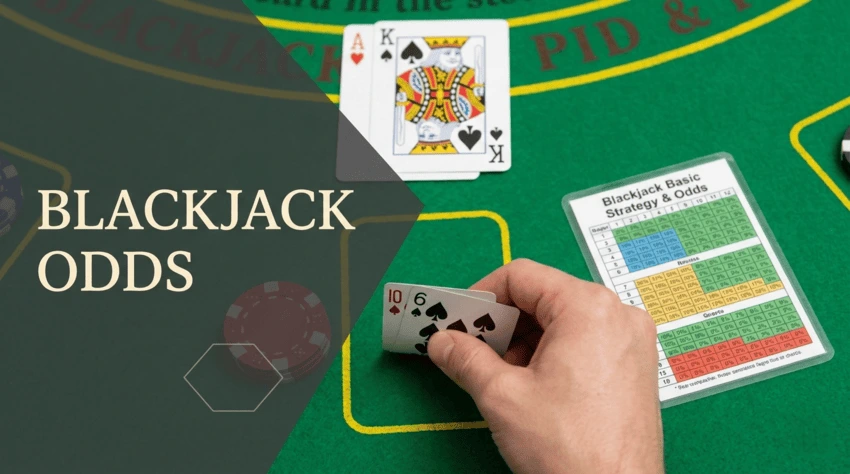
A 6:5 payout table vs. a 3:2 table can be the difference between a house edge under 0.5% and one closer to 2%. If you want to see how those numbers shake out, the blackjack odds breakdown lays it all out. And for a refresher on how cards are valued in the first place, card values has you covered.
Look at the felt near each betting circle. You'll often see smaller printed areas for side bets. These sit just outside or above the main wager spot.
Side bet zones vary by table design and software provider. On a live online bitcoin blackjack table, these spots show up as clickable areas on the interface. Same bets, different format.
One thing worth knowing: side bets carry a higher house edge than the main game. They add variance and excitement, but they're not where the smart money lives long-term.
Not every blackjack table looks the same. Different game variants tweak the layout to match their specific rules.
The felt looks similar to standard blackjack, but you'll notice different payout tables printed on the surface. Spanish 21 removes all 10-value cards from the deck (but keeps face cards), and the bonus payouts for specific hands are listed right on the table. More text, more numbers, more reward tiers.
Two betting circles per player instead of one. You're dealt two hands and can swap the top cards between them. The layout makes this obvious by giving each seat a pair of side-by-side spots. If you see double circles, you're at a Switch table.
Pontoon tables often look cleaner because the game uses different terminology. You won't see "hit" or "stand" printed anywhere. The rules printed on the felt reference "twist," "stick," and "buy." The dealer's cards are both face-down in Pontoon, which changes how the dealer's area functions visually.
When you play crypto blackjack online, some platforms let you play multiple hands at once. The layout expands horizontally, giving you three or even five betting spots in a row. The structure is the same per hand, just repeated. It's clean if the UI is well-designed, cluttered if it's not.
Different blackjack variations come with different layouts, and knowing what you're looking at saves confusion. Some of the biggest live tables for these variants run in Vegas.
Blackjack is a physical game, even at a digital table. Every decision you make maps to a specific gesture or position on the layout. Here's the quick breakdown.
You want another card. In a face-up game, tap the felt behind your cards with one finger. On a live online table, click or tap the "Hit" button. The new card lands next to your existing hand.
Full rules on hitting and standing.
You're done. Wave your hand horizontally over your cards, palm down. This signals the dealer to move on. Clean, no-contact, no confusion.
You want to double your bet and receive exactly one more card. Place a second stack of chips next to (not on top of) your original bet inside the betting circle. The dealer gives you one card, usually placed sideways to show you've doubled.
More on doubling down.
If your first two cards are a pair, you can split them into two separate hands. Place a matching bet next to your original wager, and the dealer separates the cards. Each hand gets its own card placement zone and plays out independently.
Here's the full guide to splitting.
Not available at every table, but when it is, you forfeit half your bet to fold a bad hand before playing it out. There's no universal hand signal for this one. You just say "surrender" clearly. The dealer removes half your chips and pulls your cards.
When and why to use it: surrender rules explained.
At a crypto casino table, all of these actions become buttons on the interface. The spatial logic stays the same. Knowing where things happen on the physical layout helps you process the digital version faster.
You don't just pick a blackjack table because it has an open seat. A two-minute scan of the table can save you real money.
Look for 3:2 blackjack payouts. Avoid 6:5 tables. This is the single biggest factor in finding a favorable game. It's printed on the felt. No excuse to miss it.
"Dealer stands on all 17s" is better for you than "Dealer hits soft 17." The difference is small per hand but adds up across a session.
Minimum bets vary widely. If you're managing a bankroll, pick a table where the minimum bet lets you play at least 40 to 50 hands comfortably. On crypto blackjack platforms, you can often find tables with lower minimums than brick-and-mortar casinos.
First base plays fast. Third base carries social pressure. Middle seats give you a second to watch the flow before your turn comes. Pick based on your comfort level, not superstition.