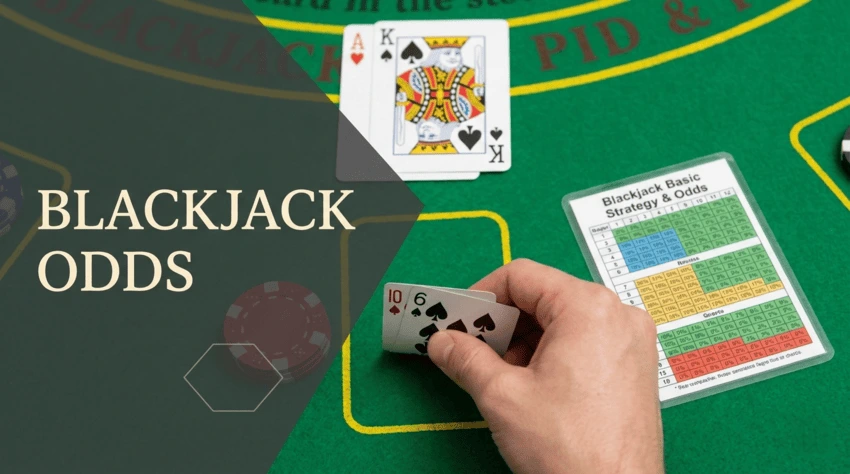

You already know how to play blackjack. Hit and stand, double down, don't bust. Cool. Now, forget about playing against the dealer and think about playing against other players. That's what a blackjack tournament is. Same cards, completely different game.
Standard blackjack is you vs. the house. Your goal is simple: beat the dealer, protect your bankroll, and go home happy.
In a tournament, you still play against the dealer. But your real opponents are the other players at your table. Everyone starts with the same chip stack. After a set number of rounds, whoever has the most chips advances. You're no longer trying to survive. You're trying to lead.
Elimination tournaments run in rounds. Bottom performers get knocked out after each round. Last player standing wins.
Accumulation tournaments skip the rounds. You play a set number of hands, and your total chip count goes on a leaderboard. Highest totals take the prizes.
Sit-and-go tournaments start as soon as enough players register. No schedule, no waiting. These are everywhere in crypto blackjack because they match the speed players expect from bitcoin deposits and instant lobbies.
Some platforms also run freeroll tournaments with no buy-in. The prize pool is smaller, but your risk is zero. Good way to practice the format.
Regular blackjack rewards patience. Flat betting, sticking to basic strategy, grinding out small edges over time. Boring? Maybe. Effective? Yes.
Tournaments reward position awareness. You need to know where your chip count sits relative to everyone else. A safe, grinding approach can leave you in the middle of the pack, which means elimination.
Here's the tension: playing too aggressively early can wreck your stack before you reach the crucial final hands. Playing too conservatively can leave you trailing when the round ends.
The best tournament players toggle between both modes depending on their position.
In the first half of a round, play close to basic strategy. Don't swing for the fences. Everyone starts equal, and the worst thing you can do is fall behind early because you doubled on a soft 15 "for the vibes."
Keep your bets moderate. Watch what other players are doing. Gather information.
By the halfway mark, you should know roughly where you stand.
The last few hands of any round are the whole game. This is where chip leaders protect and trailers attack.
If you're behind with five hands left, you need to bet big. Doubling and splitting become weapons, not risks. You're already losing if you do nothing, so aggression is the only path forward.
If you're ahead, your job is to bet just enough to stay ahead, even if the trailing player wins their hand. Count their max possible gain, and make sure your stack survives it.
This math-aware approach separates casual tournament players from serious ones.
Ignoring other players' stacks. This isn't regular blackjack. If you never look at the leaderboard, you're flying blind.
Flat betting the entire round. Safe betting works in cash games. In tournaments, it's a slow slide to elimination. You need a bet variation based on your position.
Going all-in too early. Yes, aggression wins tournaments. But poorly timed aggression just donates chips. Save the big swings for when they matter: the final stretch.
Playing every hand like it's a cash game. Basic strategy still applies to your hit/stand decisions. But your bet sizing needs to be tournament-aware. The optimal bet in a tournament is often very different from what you'd choose at a standard table.
Forgetting the payout structure. Some tournaments pay only for first place. Others pay top three or top five. If third place pays, you don't always need to win. Sometimes, surviving is the move.
Live casino tournaments have a classic energy to them. You're at a physical table, reading body language, stacking real chips. The pace is slower and more theatrical.
Online tournaments at crypto casinos run faster. Hands deal quicker, chip counts update in real time, and you can enter from anywhere. The trade-off is less social atmosphere, but more volume. You can play multiple tournaments in a single session.
Some crypto platforms offer live online blackjack tournaments with real dealers streamed to your screen. You get the speed of online play with the visual feel of a real table. It's a middle ground that works well for the format.
Poker players often adapt fast to blackjack tournaments. That's because both formats reward position awareness, bet sizing relative to opponents, and controlled aggression.
Straight grinders, the players who love basic strategy charts and steady sessions, sometimes struggle. Not because their blackjack skills are weak, but because the mindset shift takes time. You have to accept that the mathematically "correct" play and the tournament-optimal play aren't always the same.
If you're comfortable with crypto casino table games and enjoy competitive formats, tournaments are a natural fit. The buy-in caps your risk, the format adds a competitive layer, and the speed of online play keeps things moving.
Depends on what you enjoy.
Cash blackjack is meditative. You, the dealer, your strategy chart, and a slow grind toward marginal edges. It rewards discipline and patience.
Tournaments are competitive. You need awareness, flexibility, and the nerve to make big bets at the right moment. The variance is higher, but the cost is capped and the upside can be significant.
Most smart players mix both. Cash games for steady play, tournaments for the adrenaline and the shot at outsized returns.
If you've only played standard blackjack, try a sit-and-go tournament with a small buy-in. You'll feel the difference within five hands. And once you understand the rhythm, it's hard to go back to playing alone.