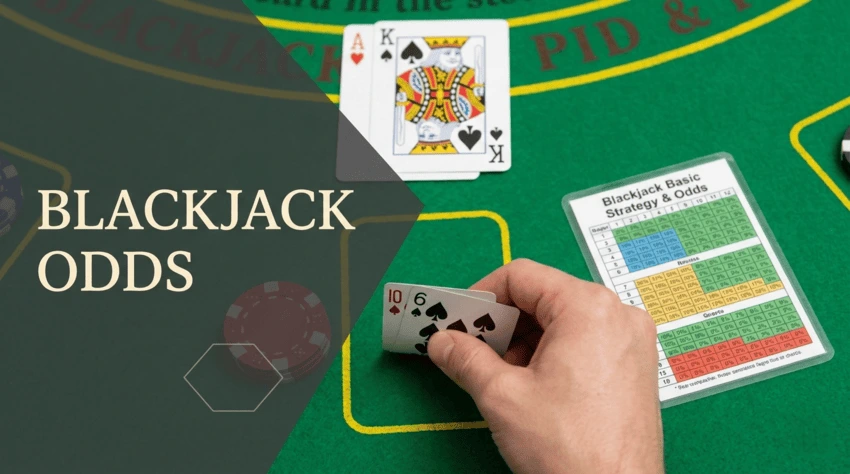

The blackjack dealer follows a fixed set of rules with zero room for personal choice. Hit on 16 or less, stand on 17 or higher. No exceptions, no strategy, no judgment calls.
This predictability is exactly what makes blackjack beatable. Once you know how the dealer is forced to act, you can build your own decisions around it. Let's break down dealer rules, the soft 17 twist, dealing procedures, and table-to-table differences.
Dealer rules? They're the actions dealers must follow every single hand. No thinking. No adjusting. Just following orders. The dealer hits on any hand totaling 16 or less and stands on 17 or higher. You can double down, split, or surrender. Dealers? They run on autopilot, stuck with whatever the house tells them to do.
Why does this matter? That predictability? It's why you can beat this game with the right strategy. Learn how dealers play their hands, and you'll know exactly how to play yours. The dealer isn't trying to outsmart you. The dealer is following a script.
Everything in blackjack builds off one rule: when the dealer hits and when they stand. Every other dealer rule builds on this one.
Hand totals 16 or less? Dealer takes another card. No choice in the matter. It doesn't matter what cards you're holding or whether you've already busted. Doesn't matter what's happening at the table. The rule stays the same.
Hit 17 without an ace? Done. Dealer's finished pulling cards. A hard hand means your total's locked in. No ace flexibility to save you. Once the dealer hits 17 or higher, that's it. Time to see who wins.
Card values are simple, but they control when dealers hit or stand. Worth a quick review.
Cards 2 through 10 are worth exactly what they show. A 7 counts as 7. Nothing complicated here.
Jacks, queens, and kings all count as 10. This is why ten-value cards appear so frequently in blackjack. In a standard deck, 16 out of 52 cards are worth 10.
Aces count as 11 until that'd bust you. Then they drop to 1 automatically. That flexibility creates soft hands. It's also why the soft 17 rule matters so much.
This is the rule that changes most from table to table. It shifts the house edge and tweaks your basic strategy on certain hands.
Soft 17 means you've got 17 with an ace counting as 11. Ace and a 6? That's soft 17. It's soft because you can't bust it by hitting. The ace adjusts if you need it to. Pull a 10? The ace drops to 1, and you land at 17, not 27.
Some casinos make dealers hit on soft 17. The house edge goes up because dealers get one more shot at a better hand. You'll often see "Dealer Hits Soft 17" printed on the table felt at crypto blackjack tables and many online casinos.
Other tables? Dealers stand on all 17s, soft or hard. Better deal for you. Only 0.2% difference in house edge. Doesn't sound like much until you've played a few hundred hands.
Quick tip: Before you sit down at any blackjack table, check the rules printed on the felt. "Dealer Stands on All 17s" is the more player-friendly version.
Watch the dealing sequence, and you'll spot exactly when these rules kick in. Here's how a round plays out.
Bets hit the table first. Then the cards start flying. Betting window closes. Round starts. Too late to add more money.
The dealer goes clockwise around the table. Cards come out face-up at most tables these days. Everyone gets two cards.
Dealer takes two as well. One's face-up (the upcard), one's face-down (the hole card). That upcard's the key to playing your hand right.
Dealer starts left, works around. Players go first. Your options:
Everyone's done? Dealer flips the hole card and plays by those hit/stand rules. Zero thinking required. Just runs through what the house dictates.
Win, and you get paid. Lose and chips disappear. Tie? Your bet comes back.
Dealer blackjack (ace plus ten right away) plays differently from hitting 21 with extra cards.
When the dealer's upcard is an ace or a ten-value card, the dealer checks the hole card for blackjack before players act. That's the peek rule. Standard in American blackjack. Saves you from doubling or splitting when the dealer's already got blackjack.
Dealer shows an ace? Insurance gets offered. It's a side bet paying 2:1 when the dealer's got blackjack. Catch? Insurance loses money long-term. Smart players skip it. The math works against you.
Got blackjack while the dealer shows an ace? Even money might pop up. Take 1:1 right now or risk a push if the dealer's also holding blackjack. Math-wise, even money equals insurance. Same reason to avoid it.
Payout structure shows you what's riding on each hand and which outcomes actually matter.
Beat the dealer? Even money. Simple as that. Put down twenty, walk with twenty more.
Natural blackjack? Usually 3:2. Twenty gets you thirty. Some tables only pay 6:5 for blackjack. House edge jumps with that payout. Check before you sit down.
Same total as the dealer? Nobody wins. Bet comes back. Hand's done.
Dealer rules change from casino to casino. Minor rule tweaks can seriously move the house edge.
You'll see anywhere from single-deck games to eight-deck shoes. Fewer decks help you out. But casinos know this. They'll tweak other rules to balance it, like dropping blackjack payouts.
Hit or stand on soft 17? That's the rule change that matters most. Check which rule's running before you throw chips down.
American blackjack? Dealers peek when they've got an ace or ten showing. European games wait until after you play to check. Changes how you handle insurance and doubling.
Surrender? Not at every table. Side bets (21+3, Perfect Pairs) run on different rules. House edge jumps way up compared to regular play.
Dealers never adjust. That's why basic strategy crushes it. Know what the dealer's doing? You can figure out the best move every time.
Strategy charts already bake this in. Understanding why it works? You'll remember it better when you're actually playing.
Online blackjack? Same dealer rules as the casino down the street. Format's different. Rules aren't.
Real dealers, real cards, streamed live from a studio. Feels like a real casino. Rules match too. Live dealer tables are popular with players who want authenticity while playing blackjack with crypto.
Software deals using RNGs for the outcomes. A faster pace makes these good for practice. Dealer rules stay the same.
Crypto casinos sometimes run provably fair games. You can verify the outcomes yourself using crypto verification. No manipulation possible. Crypto-only feature. Regular online casinos can't match this level of transparency.
You know how dealers play. Use that when you sit down. Dealers can't adjust. You can. There's your edge.
At JB, you can put this knowledge to work at live dealer tables or try provably fair blackjack games, all with fast crypto payouts.
Nope. Both hit 21? That's a push. You get your bet back. The dealer only wins by beating your total without going over.
Ace counts as 11 if it gets the total between 17-21 without busting. Would bust? Ace drops to 1.
Never. House rules run the show. Dealers can't freelance. Hit on 16 or less, stand on 17 or more. Soft 17 depends on the table.
Push. Nobody wins. Bet comes back. Done.
Yes. Whether you're playing live dealer blackjack or automated games at a crypto casino, the dealer hit/stand rules are identical to land-based casinos.