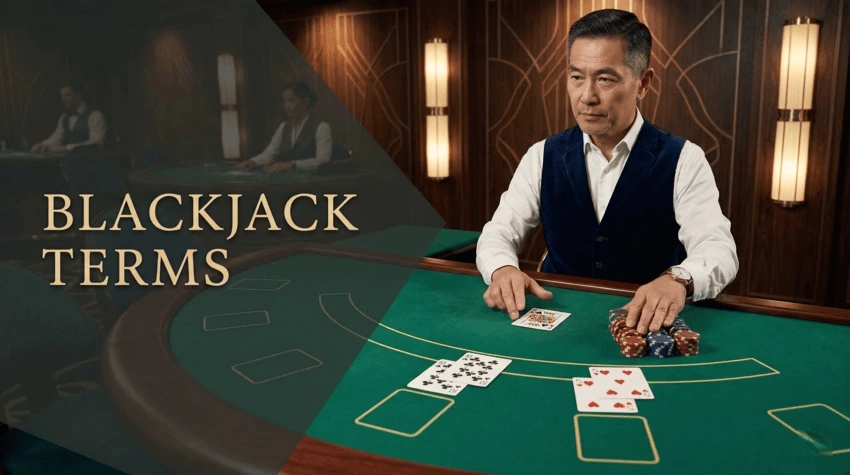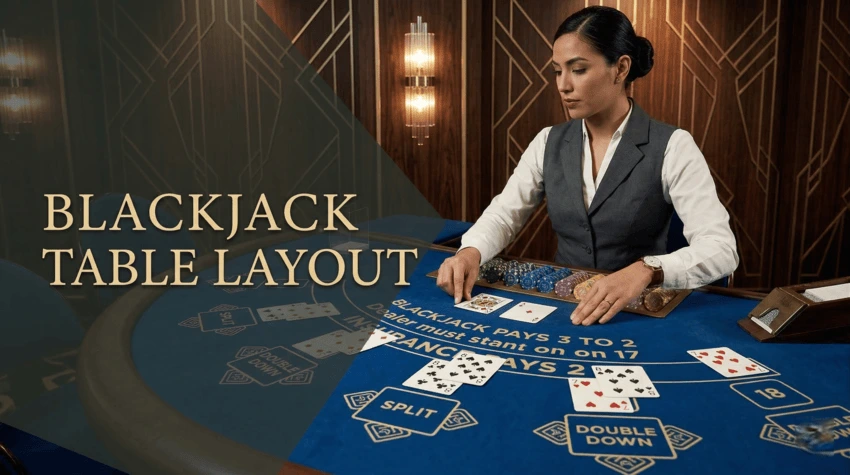
Spanish 21 takes regular blackjack and yanks out all the 10-spot cards. You're left with 48 cards per deck instead of 52. But here's the thing: the game pays you back for those missing 10s. You get bonus payouts and rules that regular blackjack won't give you. The biggest? Your 21 crushes the dealer's 21. Every single time.
I'm going to walk you through everything. How to play, what are the rules, where the bonus money comes from, and why you can't just use your regular blackjack strategy.
Let's start with the deck itself. They pull out all four 10-spot cards from each deck. Jacks, queens, and kings still count as 10, but the actual 10 cards? Gone. To make up for it, you get bonus payouts and rules you won't find at a regular blackjack table.
The name comes from old Spanish card decks, which had 48 cards instead of 52. Casinos usually shuffle six or eight of these 48-card decks together for the shoe.
Why play a game with fewer high cards? The rules shift things back toward you. Your 21 always beats the dealer's 21. You can double down on any number of cards. You can even surrender after doubling if you catch a garbage card. That swap, fewer 10s for better rules, is what makes this game different.
The basic flow feels familiar if you've played blackjack before. The goal stays the same: beat the dealer without going over 21. But the options available to you expand considerably once the cards hit the table.
Put your chips in the betting circle before any cards are dealt. Some tables offer optional side bets like Match the Dealer, which pays out if your initial cards match the dealer's upcard in rank or suit.
You get two cards face-up. Dealer gets one up, one down (that's the hole card). Now you're building a hand that beats theirs without going over 21.
Here's where it gets interesting. Hit, stand, double, split, or surrender, you've got all the usual moves. But doubling? You can do that on any number of cards, not just your first two. And if you double then pull a disaster card, you can still surrender and get half your doubled bet back.
Once all players finish their hands, the dealer reveals the hole card and plays according to house rules. Most Spanish 21 tables require the dealer to hit on soft 17 (an ace plus cards totaling 6). The big difference from regular blackjack: your 21 always wins against the dealer's 21. No pushes. If you both have blackjack, you win.
Spanish 21's rules favor you more than regular blackjack does. That's how they make up for those missing 10s. Learn these rules, and you'll know when to use them.
Card values work exactly like blackjack. Aces count as 1 or 11, face cards are worth 10, and numbered cards are worth whatever number's on them. The only real change: no 10-spot cards. That leaves 48 cards per deck instead of 52.
Fewer 10s in the shoe means you'll see fewer natural blackjacks. It also changes your doubling and splitting calls because pulling a 10 when you need one gets harder.
You get way more flexibility than regular blackjack:
That last one? You won't find it anywhere else. Double down, pull a nightmare card, then surrender. You only lose your original bet, not the doubled amount.
The dealer typically hits on soft 17 in Spanish 21, though some casinos use the more player-friendly "dealer stands on soft 17" rule. Check the table placard before you sit down. That one rule change shifts the house edge more than most people realize.
This rule alone makes the game worth learning. You get dealt a natural 21, and the dealer has blackjack too? You win. Regular blackjack calls that a push. You just get your bet back. Not here. Your 21 beats theirs, no matter how many cards are in either hand.
Bonus payouts make up for those missing 10s. Hit 21 in certain ways, and you collect more than the standard even-money payout.
Get to exactly 21 with five cards, and you collect 3:2 instead of even money. Doesn't matter which cards, just the total and how many.
A six-card 21 pays 2:1. Fewer 10s mean you'll hit more often, which makes multi-card 21s happen way more than in regular blackjack.
Get to 21 with seven or more cards? The payout jumps to 3:1. Doesn't happen often, but it's a nice surprise when it does.
Pull 6-7-8 and you get a bonus payout depending on the suits. Mixed suits pay 3:2, same suit pays 2:1, all spades pays 3:1.
Three 7s work the same way. Mixed suits get you 3:2, same suit pays 2:1, all spades pays 3:1.
The Super Bonus triggers when you hold suited 7-7-7 and the dealer's upcard is also a 7. The payout varies by casino but typically includes a jackpot amount plus an "envy bonus" for other players at the table. Too rare to chase, but pretty exciting if it actually hits.
Watch out: most bonus payouts disappear if you've doubled or split. Check your table's house rules to be sure.
Players often wonder whether Spanish 21 or standard blackjack offers the better game. The answer depends on what you're looking for and whether you're willing to learn a different approach.
The big difference: missing 10s. Regular blackjack uses full 52-card decks. Spanish 21 pulls out four cards per deck. That changes how often you'll draw high cards and shifts almost every decision you make.
Spanish 21 makes up for the deck change with rules that help you:
Play both games right and the house edge ends up pretty similar, usually somewhere between 0.4% and 0.8% depending on the table rules. Here's the catch. Spanish 21 needs its own strategy chart. Use regular blackjack strategy at a Spanish 21 table and you'll jack up the house edge because the right plays change when those 10s disappear.
House edge depends on two things: table rules and how you play. Get dealer stands on soft 17 plus perfect basic strategy and the edge drops below 0.5%. Dealer hits soft 17? Expect it to climb closer to 0.8%.
Bonus payouts help make up for the missing 10s, but only if you're making the right calls. Play sloppy and those benefits disappear fast.
Regular blackjack strategy charts won't work here. Missing 10s and bonus payouts change the right play on dozens of hands. Use the wrong chart and you'll bleed money.
Hit more aggressively. Fewer 10s mean you're less likely to bust on hard totals like 12, 13, or 14. You'll stand later than you would in regular blackjack.
Double more often on soft totals. That double down rescue option cuts your risk, so aggressive doubles on soft 17 and soft 18 become smarter plays against certain dealer upcards.
Doubling on any number of cards opens up plays you can't make in blackjack. You might double on a three-card 11 or even a four-card hand that's close to 21.
Split more often than in blackjack. Re-splitting aces and doubling after splits give you edges regular blackjack doesn't. 8s and aces? Still automatic splits.
Surrender smart when the dealer shows a strong card and you're holding junk. Giving up 16 against a dealer 10 or ace usually makes sense mathematically, but the exact situations differ from blackjack.
Keep a Spanish 21 strategy card with you. The differences from blackjack are big enough that you won't remember them all, especially early on.
Chasing the Super Bonus: It's rare. Play solid strategy instead of hoping for suited 7-7-7.

.webp)