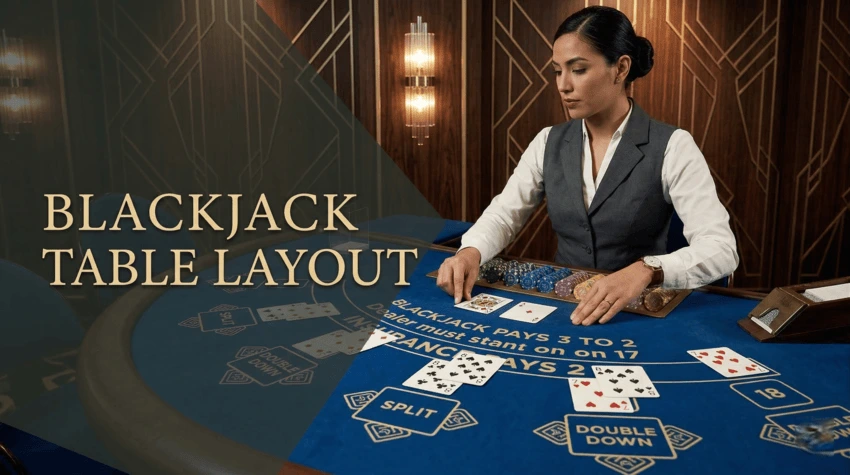
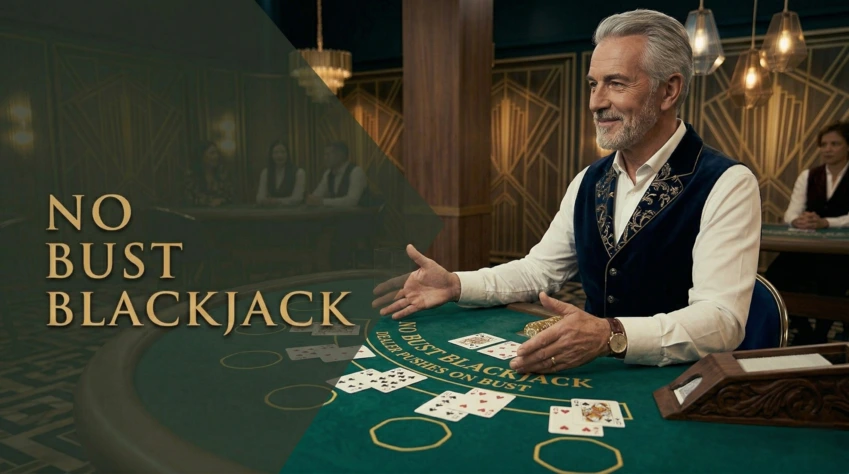
You go over 21 in No Bust Blackjack, and you don't automatically lose. Weird, right? When you both bust, something called bust cards decides who actually loses. It's a whole different game.
California can't legally run normal blackjack, so cardrooms invented this workaround. It looks like blackjack, you know, but the gameplay shifts in ways you won't expect. Let's break down how this version works amd what changes about your strategy.
Here's the big twist: busting doesn't kill your hand right away. Normal blackjack? You hit 22 and you're done. Hand's over. No Bust Blackjack keeps you alive even after you bust. Whether you win depends on what the dealer does.
Why does this variant exist? California law prohibits traditional house-banked table games. So cardrooms make players deal to each other instead. One person at the table becomes the bank every few hands. The cardroom just charges a fee every hand. They don't need the edge built into the rules. Some places call it 21st century blackjack. Same game, different name.
The whole game centers on one thing: you can survive going over 21. You bust with three or more cards, dealer busts too? Bust cards decide who actually loses. This one rule changes everything about how you play.
You still want to beat the dealer without going over 21. That part stays the same. But plenty of rules work differently from Vegas blackjack or what you'd find online.
One player becomes the bank and goes up against everyone at the table. The role rotates around the table. Whoever's dealing gets an edge because they act last and win some ties.
You need enough cash to cover every bet on the table if you want to deal. Can't cover it all? The house or another player can split the bank with you. The cardroom never deals itself. That's the legal workaround.
Card values work exactly like standard blackjack:
California tables pay out on some weird hand combinations you won't see anywhere else. Blackjacks usually pay even money instead of 3:2. That cuts into your edge over time. A few tables pay bonuses if you hit weird combos like a suited A-2-3-4-5-6-7. They call it a California 21.
Read the payout card before you sit. Tables vary way more than you'd think. What one table pays versus another can swing your hourly rate by double digits.
Most tables let you double on any two cards. Some only allow it on 9, 10, or 11. You can split pairs three times at most tables, giving you four hands.
Surrender works differently depending on which cardroom you're at. Late surrender (when they offer it) means you can fold and lose half your bet after the dealer shows their card. Surrender gets trickier here because bust cards change the math on when to fold.
Bust cards make the whole no-bust thing work. Without bust cards, you'd just tie every time you both went over 21. The game would stall out.
They throw two jokers into the deck. Each one has a different rank. Bust with three or more cards and you get a bust card. That card sets your bust value.
Rankings go from best to worst like this:
Lower bust card wins. You bust and pull a 4, dealer busts with a King? You win.
Here's where the game gets interesting. Both of you go over 21? Neither hand dies automatically. You compare bust cards instead.
Lower bust card takes it. Same bust cards? It's a push. Heads up: bust with just two cards and you lose right there. No bust card saves you. Bust protection needs three or more cards in your hand.
Let's play through one hand so you can see how this actually works.
Put your bet in the circle before anyone deals. The cardroom takes a fee, too. Usually a buck per hundred, you bet, rounded up. That's how they make money without being able to bank the game.
You pay the fee, win or lose. Play enough hands and those fees eat into your stack. Count them when you figure out how much to bring.
Everyone gets two cards, including whoever's dealing. Your cards are face-up. The dealer keeps one face down. They usually shuffle six or eight decks together.
You play your hand like normal blackjack, reading your total against the dealer's upcard. The key difference is psychological: knowing you won't automatically lose if you bust can tempt you into riskier plays.
That temptation is usually a trap. Basic strategy mostly works here. The bust card thing only changes a few plays.
Once everyone's done, the dealer flips their hole card and finishes their hand. Nobody busts? Higher total wins. Both bust? Bust cards decide it.
Ties usually push if neither side busted. Some tables give the dealer the win on equal totals, though. Read the house rules card first. This stuff varies.
Most of the basic strategy transfers over. You just need to tweak a few plays.
Double on 9, 10, or 11 like you always would. Good odds you'll hit something solid. Dealer shows 4, 5, or 6? Double that 10 or 11 every time.
The no-bust thing barely affects this decision. You double to get more money down when you've got the edge, not to play safe.
Same basics:
Fours, sixes, and sevens get trickier. Read the dealer's card and know your table's rules. Dealer shows a weak card? Those borderline pairs are worth splitting because they'll probably bust.
Regular strategy charts figure you're dead the second you bust. That's not how it works here, so the math shifts on close calls.
It doesn't change much in practice. Maybe you hit one extra hand per session instead of standing. The edge change is tiny. Don't overthink it.
Dealing gives you an edge. You act last and win some ties. Got the bankroll for the swings? Take the button. It's a moneymaker.
The trade-off is risk. You're covering everyone's bets at once. Bad run hits and your stack disappears fast.
The money side matters if you're trying to decide whether this game beats your other options.
Regular blackjack bakes the edge into the rules. Dealer wins ties, blackjack pays 6:5 instead of fair odds, stuff like that. California blackjack works differently.
California cardrooms just charge a fee every hand instead of stacking the rules against you. How much the house makes off you depends on your bet size versus that fee.
Bet ten bucks, pay a dollar fee? That's 10% gone before you play. Bet a hundred? The same dollar fee only costs you 1%. Bigger bets make the fee hurt less.
The fee structure punishes small bettors and rewards bigger action. It's the opposite of how most casino games work, where bet size doesn't change the underlying edge.
Don't kid yourself — neither version gives you a fair fight. House wins in both games. They just take their cut different ways.
If you like playing the dealer spot for the edge, this game gives you something you can't get in regular blackjack. Don't care about dealing? The differences barely matter.
You won't find No Bust Blackjack online. But what you learn here works on regular tables. Crypto blackjack tables use standard rules, which means the basic strategy you've learned applies without modification.
Crypto blackjack is fast. That's the whole point. Deposits hit in minutes. Withdrawals skip the bank delays. And you can verify the shuffle yourself with provably fair tech. Provably fair lets you check the shuffle yourself.
At JB, the table selection covers everything from low-limit play to high-roller options. Whether you prefer fast-paced standard blackjack or live dealer tables, the experience feels intentional rather than padded.
Learn how different rule sets work and you'll play smarter everywhere. The basics work everywhere. Read the table, manage your money, and know when to bet versus when to wait.
California cardroom or crypto table, you're trying to do the same thing. Know the rules. Play the math. Don't forget to have fun.

.webp)