Blackjack pits you against the dealer in a race to 21. Get closer to that number without going over, and you win. Go over, and you lose instantly, regardless of what the dealer ends up with.
You'll pick up the basics fast. But here's the thing: knowing when to hit, stand, or double? That's where most people either get it or blow their bankroll guessing. We're breaking down card values, what moves you can make, how dealers play their hands, and the table rules that change your chances of winning.
You're playing against the dealer. Not the other people at the table. Just you versus the house. Your goal? Get closer to 21 than the dealer without going over. If your hand goes over 21, you "bust" and lose your bet immediately, even if the dealer also busts later in the round.
Cards are worth different amounts. A 5 is worth 5 points. A 9 is worth 9. Simple. Jacks, Queens, and Kings all count as 10. Aces work as either 1 or 11. You pick whichever helps your hand.
That's why you'll hear people talk about 'soft' and 'hard' hands. A "soft" hand contains an Ace counted as 11, giving you room to take another card without busting. A "hard" hand either has no Ace or has an Ace that counts as 1 because counting it as 11 would push the total over 21. Knowing if you've got a soft or hard hand changes how you play. It's the difference between hitting safely and risking a bust.
Every hand plays out the same way. You bet before anyone gets cards. The dealer gives everyone two cards face up. They take two for themselves: one you can see, one you can't. The face-down card is called the "hole card."
Players go one by one, starting to the dealer's left. You choose: take another card, stop where you are, double your bet, or split a pair. After everyone's done, the dealer flips that hole card and plays by the house rules. Usually, that means hitting until they reach 17 or higher.
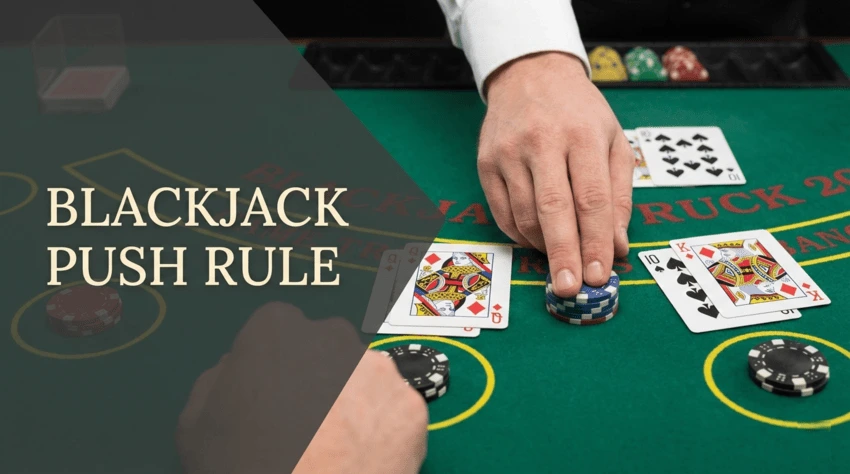
Then you compare totals. Closer to 21 without busting? You win even money. Dealer busts while you're still standing? You win. When both totals match, the result is a "push," and your original bet returns to you.
You've got more moves than just hitting or standing. Learning when to use each one? That's what separates people who win from people who donate money to the casino.
Hit means you want another card. You can keep hitting until you stop or bust. No limit on cards. Just know that every card you take raises your chances of busting.
Stand means you're done. You keep what you've got. Play moves to the next person. Usually, you stand when another card would probably bust you.
Double down means you double your bet and get exactly one more card. That's it. One card, then you're done. Works best when you start with 10 or 11. One more card could give you 20 or 21.
Most tables let you double on any two cards. Some only let you do it on 9, 10, or 11. Rules change depending on where you play. Check before you sit down.
Get dealt a pair? You can split them into two separate hands. Both hands need their own bet, the same amount as your first one. Then you play each hand separately.
Most tables have special rules for splitting Aces. You usually get just one card per Ace. And if you get another Ace, you can't split again. Other pairs? You can play them however you want after splitting.
Some tables let you surrender. You give up half your bet and fold right there. Late surrender is what you'll see most. You can fold after the dealer checks for blackjack. Early surrender lets you fold before the dealer even looks at their hole card. Rare, but better for you when it's available.
You surrender when your hand is in bad shape against what the dealer's showing. Like when you've got 16 and the dealer's showing 10. You're probably losing that hand either way, but surrendering costs you less.
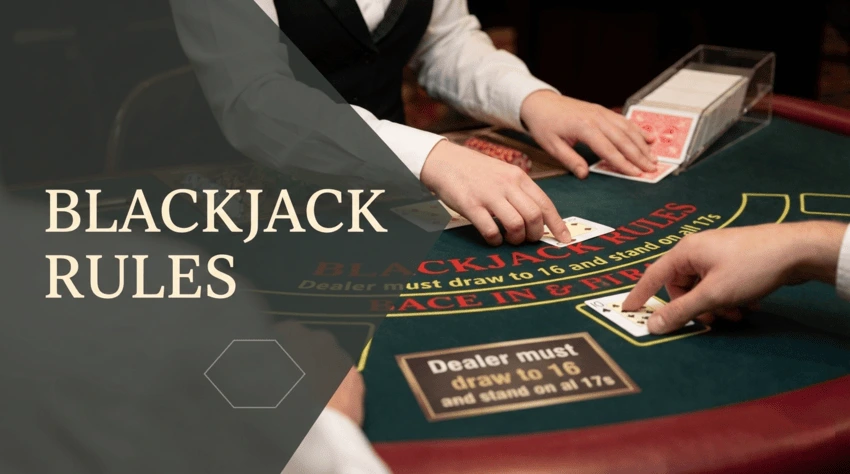
Dealers don't get to choose. They follow house rules, no exceptions. Rules vary by table. Usually, the dealer hits on 16 or less, stands on 17 or higher.
One variation worth noting involves "soft 17," a hand containing an Ace counted as 11 (such as Ace-6). Some tables make the dealer hit on soft 17. Gives the house another shot at a better hand. Other tables? Dealer stands on all 17s, soft or hard. The difference affects the house edge, with "dealer stands on soft 17" being slightly more favorable for players.
You'll see the rules printed on the table or on your screen if you're playing online. Takes two seconds to check before you sit down.
Not all blackjack tables play the same. Each table has its own rules. Those rules decide how big the house edge is. What actually changes your odds:
When you play blackjack with crypto at JB, table rules display clearly before you join. Compare tables and pick the one you want.
New players make the same mistakes over and over. Learn what they are now and you won't lose money the same way.
Playing by gut feeling instead of math. Blackjack pays you to play the same way every time. The right move doesn't change just because you lost the last three hands or you've got a feeling.
Taking insurance. Dealer shows an Ace? They'll offer insurance. It's a side bet that pays 2:1 if they have blackjack. It's a bad bet. The odds don't match what they're paying you. Anyone who knows the game skips insurance.
Ignoring table rules. Bad table rules can double the house edge compared to good ones. Takes two seconds to check. Makes a huge difference in what you're up against.
Increasing bets after losses. Cards don't remember what happened last hand. Betting more after you lose doesn't change your odds. Just burns through your money faster.
Most blackjack games follow standard rules. But some variants change things up enough that you need to adjust how you play.
European blackjack deals the dealer's second card only after all players complete their hands. No hole card means the dealer can't check for blackjack right away. Changes when you should double or split against an Ace or 10.
Spanish 21 removes all four 10-value cards from each deck, leaving only face cards. They make up for it with bonus payouts on certain hands. Five-card 21s, 6-7-8 combos, stuff like that. Regular basic strategy doesn't work the same. All those missing 10s change the odds.
Blackjack Switch deals each player two hands and allows swapping the second card between them. Catch? If the dealer gets 22, it pushes against everything except blackjack. Basically gives the house back some edge.
Live online blackjack tables at crypto casinos often feature multiple variants alongside classic rules, giving you options depending on what style of play you prefer.
Crypto blackjack plays the same as regular blackjack. The difference is in how fast things move and how transparent it is. Deposits hit fast. Withdrawals don't take days like bank transfers. And provably fair systems let you check that nobody rigged the hand.
At JB, blackjack tables range from low-limit games for casual sessions to higher-stakes options. Everything's right there: card values, your options, table rules. No guessing what you can do.
For players new to table games, blackjack offers a solid starting point. Rules are simple. Strategy's not hard to learn. House edge stays low if you stick to the math.