You'll win about 42-43% of hands in blackjack. The dealer takes roughly 49%. The rest? Pushes where you get your bet back. Those numbers aren't fixed, though. Table rules change them. So does deck count. But here's what really matters: how you play your cards.
We're going to look at the probabilities behind each decision you make. Bust risks. Payout structures. The specific moves that actually tilt odds your way.
Blackjack odds are just the math behind whether you'll win, lose, or push on any hand. Standard game? You win about 42-43% of hands. Dealer wins 49%. The rest are pushes (ties where your bet comes back). But those percentages aren't set in stone. Different table rules change them. So does your playing strategy.
Here's the thing about blackjack: your decisions actually matter. Hit, stand, double, split. Each choice either helps or hurts your chances. Simple as that. Slots and roulette don't work this way. Blackjack math actually changes based on how you play.
Three possible outcomes for every hand: win, lose, or push. The split isn't even. Why? It tells you everything about how blackjack really works.
You win less than the dealer for one simple reason: you go first. Go over 21? You bust. You lose right then. The dealer doesn't even play their hand. This "first to act" disadvantage is where the casino's edge comes from.
Same reason the dealer wins more often. You bust first, you lose. Doesn't matter if the dealer would've busted too. Chips are gone. You never see what the dealer had.
Push means you and the dealer end up with the same total. Your bet just comes back. No win, no loss. Happens about 8-9% of the time. Your bankroll stays put.
House edge? It's the math working in the casino's favor over time. Basically, it's what percentage of your bets the casino keeps after thousands of hands. In blackjack? Usually 0.5% to 2%. Table rules matter. So does how you play.
That's a huge difference. 0.5%? That's one of the best odds in the casino. 2%? You're losing four times as much. Two things decide it: table rules and whether you're playing smart.
Bust means you go over 21. The fastest way to lose. Bust risk changes everything. Hit that 12 against a dealer 4? Stand on a sketchy 16? It all depends on bust odds.
The higher your total, the higher your bust risk. Pretty simple. More cards push you over 21 when you're sitting on a high total.
Hands totaling 12-16 are often called "stiff hands" because they're uncomfortable to play. Hit, and you might bust. Stan,d and the dealer might beat you. You're stuck either way.
That dealer upcard? It shows their bust odds. Low cards (especially 4, 5, 6) mean the dealer's in a weak spot. They usually end up with stiff totals and have to hit.
Dealer shows a 5 or 6? They bust over 40% of the time. That's when you can play harder.
Every blackjack table is different. Rule changes can shift the house edge by a full percentage point. Sometimes more.
Soft 17 means an Ace counts as 11. Like Ace-6. Dealers hit soft 17? They get another shot at a better hand. Adds about 0.2% to the house edge versus tables where dealers stand on all 17s.
Less decks in play? Better for you. Single-deck games can cut the house edge by nearly 0.5% compared to eight-deck shoes (if the rules match). Most crypto blackjack uses six or eight decks. Single-deck games are out there, though.
Surrender means you can give up half your bet instead of playing a terrible hand. Late surrender? It's your way out of the worst hands. Some tables only let you double on 10 or 11. That kills chances to push your advantage on other hands.
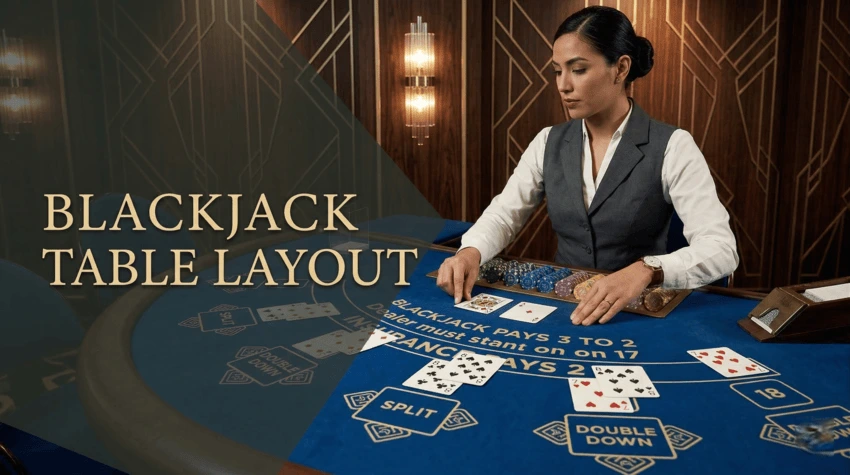
Natural blackjack payouts (Ace plus a 10-value card) make a huge difference over time. Check this before you sit down. It matters.
Traditional natural blackjack pays 3:2. $10 bet? You get $15. Most decent tables pay this.
Some tables only pay 6:5. Worse deal. Same $10 bet gets you $12. Looks small. It's not. House edge jumps 1.4%. Play hundreds of hands? That difference adds up fast. Smart players skip 6:5 tables if they can.
What you do at the table matters. Most casino games? You bet and watch. Blackjack rewards smart decisions.
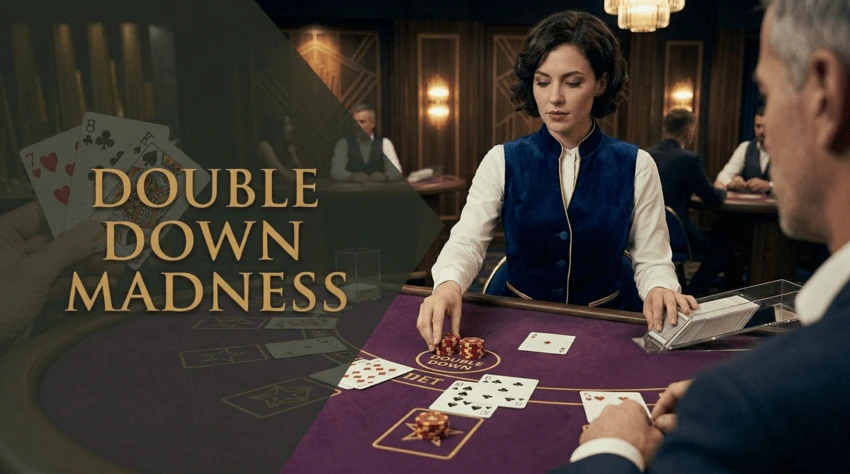
Double down means you double your bet. You get exactly one more card. Best time? You've got 10 or 11, dealer shows a weak card. Math's on your side here. You'll probably land a strong hand while the dealer's stuck with garbage.
Get two cards with the same rank? You can split them into two hands. Basic strategy says always split Aces and 8s. Never split 10s or 5s. Aces? Two shots at blackjack. 8s turn that awful 16 into two hands you can actually play.
Late surrender lets you give up half your bet after you see your cards and the dealer's upcard. Use it when you're screwed. Like holding hard 16 against a dealer 10. You're cutting losses instead of playing a hand where the dealer has all the advantage.
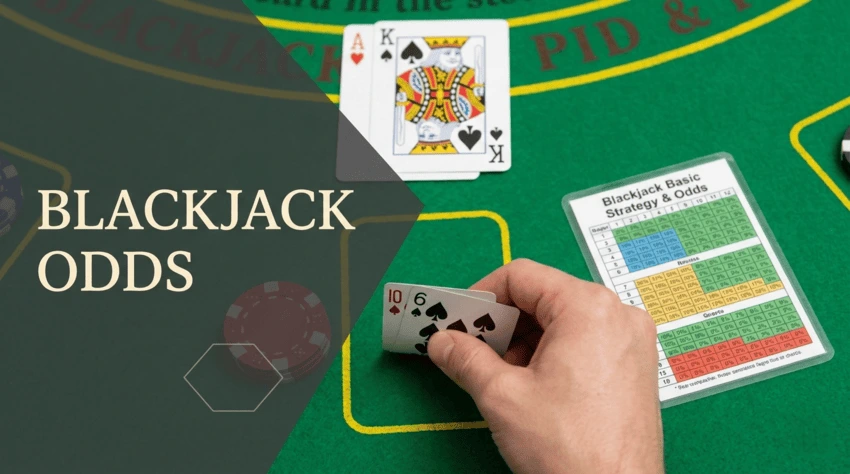
Basic strategy is just math. It shows the best play for every hand you can get. Shows you when to hit, stand, double, split, or surrender. Depends on your cards and what the dealer's showing.
Use a basic strategy and the house edge drops to its minimum. Often under 0.5% at good tables. Play on gut feeling? You're giving up an extra 1-2% to the house. That adds up to real cash.
Strategy charts are everywhere. Keep one open while you play. Tons of players keep one up while they're playing.
Blackjack hands aren't all the same. Some hands give you a real edge. Others? You're fighting uphill from the start.
10 or 11? Perfect for doubling down. You'll probably land a strong total. Dealer's not showing much either.
Hard 12-16? Those are the worst to play. Bust if you hit. Lose to a better dealer hand if you stand. Pick your poison. Basic strategy shows you what to do with these terrible hands.
Natural blackjack? Best hand you can get. You get paid right away. Better payout. Dealer can tie you, but can't beat you.
Blackjack's different. Your choices actually change the outcome. Roulette? Slots? Pure luck. Blackjack? Skill actually improves your odds.
Catch: you have to pay attention. Can't just zone out clicking buttons. But for players willing to learn basic strategy, the mathematical advantage over other crypto casino table games is substantial.
Side bets are extra bets you can make during the main game. Perfect Pairs, 21+3, Insurance. You've probably seen these. Bigger payouts, sure. But the house edge? Way higher.
Take Insurance. Dealer shows an Ace, you can take it. Pays 2:1 if the dealer hits blackjack. Sounds good, right? Nope. House edge is over 7%. Most strategy guides say skip it. No matter what you're holding.
Look, I get the appeal. Big wins are tempting. But playing smart? Side bets kill your edge long-term.
Everything covered here applies directly to crypto blackjack at JB. Fast deposits. Instant withdrawals. Provably fair systems. Easy to use what you've learned.
The table selection includes both RNG games and live dealer options, so you can choose your preferred format while applying basic strategy.
Nope. The dealer has an edge because you go first. You bust? You lose right then. Even if the dealer had busted. Perfect strategy cuts it to under 1%. But it's still there.
About 4.75% of the time in standard multi-deck games. Once every 21 hands or so. But you'll see hot streaks and cold ones.
Card counting doesn't work online. Decks get shuffled too often. Can't track the cards counters need.
Insurance has a house edge of over 7%. One of the worst bets you can make. Skip insurance. Math says so almost every time.
Same rules? Same odds. Live dealer games use physical cards dealt by real people, while RNG games use software. Both work on the same math.
1-3-2-6 is a betting system. You change bet sizes based on whether you win or lose. Helps manage your bankroll swings. Doesn't touch the house edge, though. No betting system beats the game's math.