European Roulette


European roulette is the original version of the game, built around a 37-pocket wheel with a single green zero. That one zero slot? It's why European roulette beats American roulette hands down. You're looking at half the house edge.
Let's break down the wheel mechanics, what you'll get paid on each bet, and the real odds you're working with.
What is European roulette?
European roulette is a casino table game built around a wheel with 37 numbered pockets, a small ball, and a betting layout where players wager on where that ball will land. The wheel runs from 0 to 36. That single green zero? That's what sets it apart from the American version. The single zero keeps the house edge lower. If you care about odds, this is your version.
The gameplay follows a predictable rhythm. You throw down chips, the dealer spins the wheel one way and sends the ball the other. Then you wait. If your bet hits, you get paid. The payout depends on what kind of bet you made. If not, the house collects your chips.
Whether you're playing at a physical table, trying European roulette online, or joining a live dealer session, the rules remain identical. The game hasn't changed much since the 1800s when European casinos first ran it.
The European roulette wheel explained
The wheel's where it all goes down. Once you see how it's built, the bets and odds start making sense.
Single zero layout
Count the pockets and you'll hit 37. Numbers 1 through 36, plus that single green zero. That zero pocket represents the casino's mathematical advantage. Ball hits zero? Most bets lose. That's how the casino keeps its edge.
Germany came up with the single zero setup. It spread across Europe from there. American casinos added a second zero later to grab more edge. The European version stayed friendlier to players.
Number sequence and colors
Numbers on the wheel don't run in order. Instead, odd, even, high, and low numbers get spread around the wheel pretty evenly. This keeps similar numbers from bunching up in one spot.
Here's how the colors break down:
- Red numbers: 1, 3, 5, 7, 9, 12, 14, 16, 18, 19, 21, 23, 25, 27, 30, 32, 34, 36
- Black numbers: 2, 4, 6, 8, 10, 11, 13, 15, 17, 20, 22, 24, 26, 28, 29, 31, 33, 35
- Green: 0 only
Looks random at first. It's not. Every number placement is calculated.
European roulette rules
Each round runs through three steps on repeat. Get the pattern down and it clicks.
Placing bets
Before each spin, you get time to drop chips on the layout. Throw chips on multiple bets if you want. Cover different numbers, colors, or whole sections. The layout shows all 37 numbers, plus spots for outside bets like red/black and odd/even.
Check the table limits before you sit down. Every table posts a min and max. Online tables usually let you start smaller than what you'd find at a physical casino.
The spin
Dealer spins the wheel one way, sends the ball the other. At some point during the spin, the dealer announces "no more bets," and the betting window closes. Ball bounces around the wheel's ridges until it drops into a pocket.
Payouts
Win and you get paid based on the bet you made. Each type has its own payout. Losing bets go to the house. Dealer sweeps the layout clean and starts another round.
European roulette bet types
Bets split two ways. Inside bets hit specific numbers. Outside bets cover bigger groups. Simple trade. Bigger risk, bigger payout.
Inside bets
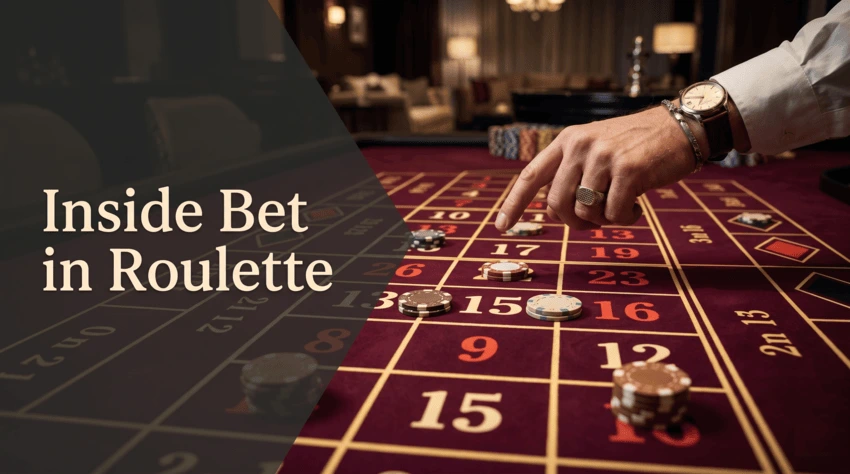
Inside bets go after single numbers or tiny groups. They pay better but don't hit as often.
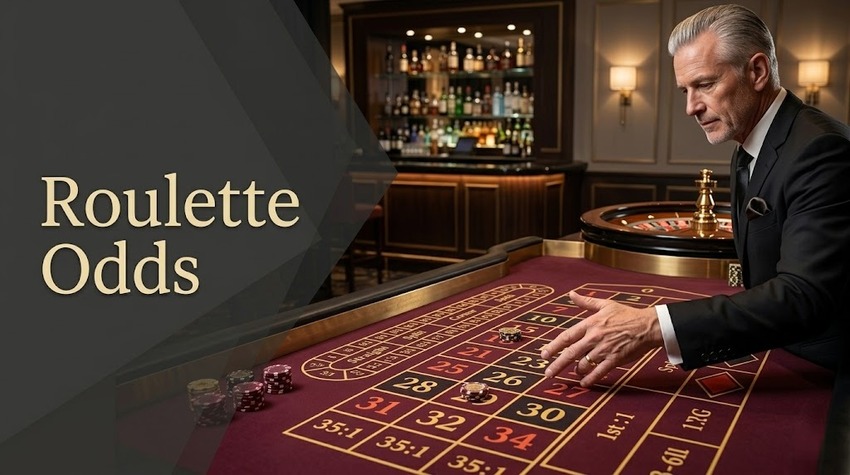
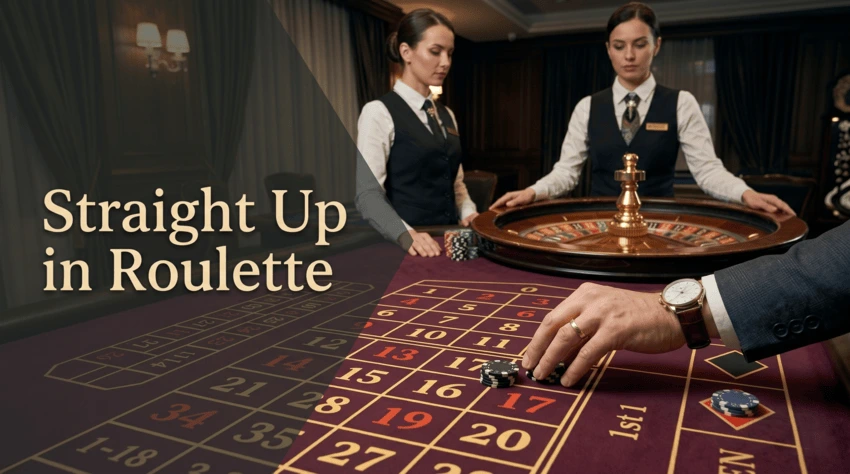
- Straight up: A single number, paying 35:1
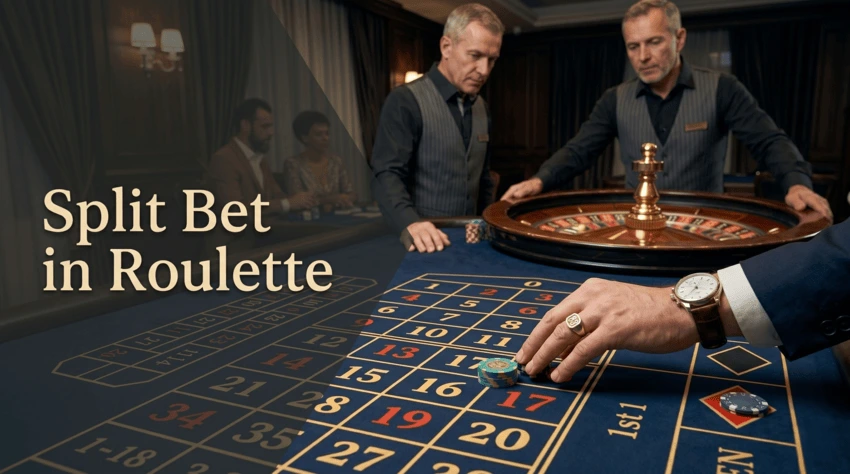
- Split: Two adjacent numbers, paying 17:1
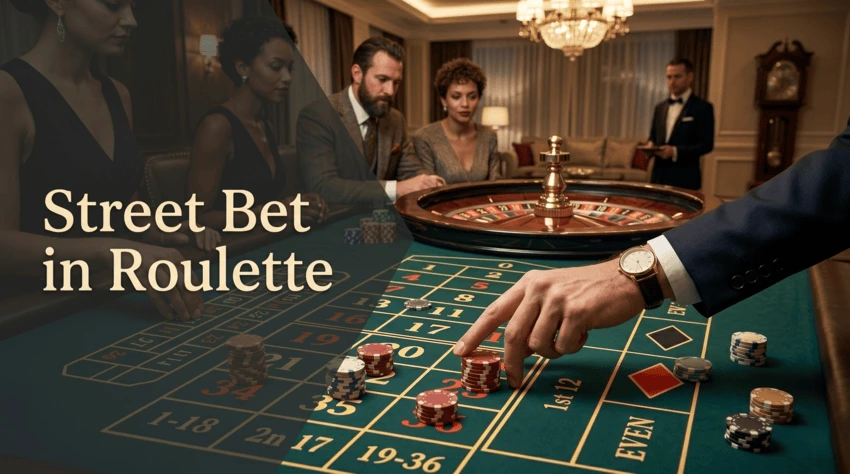
- Street: Three numbers in a horizontal row, paying 11:1
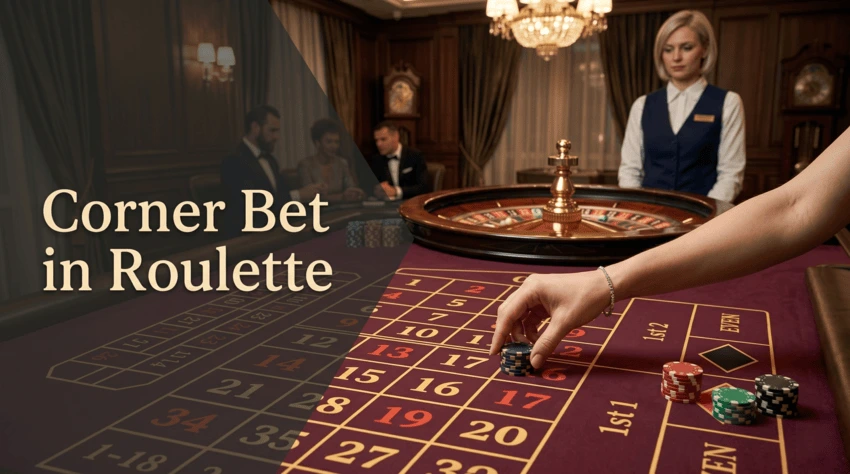
- Corner: Four numbers forming a square, paying 8:1
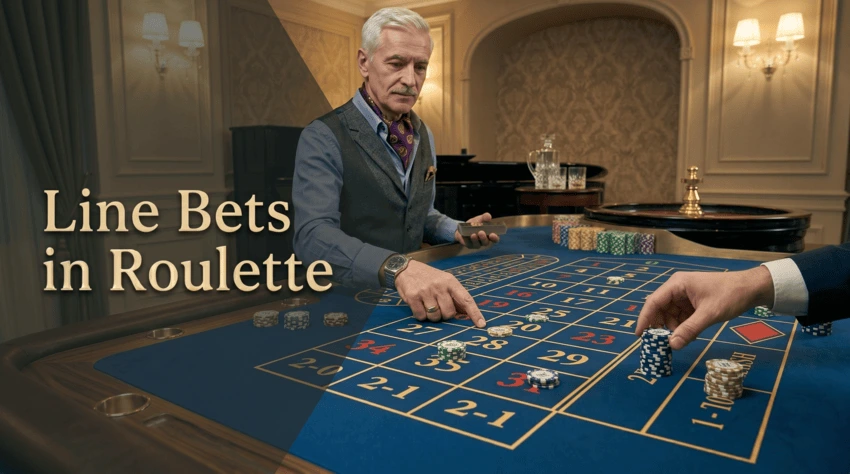
- Six line: Two adjacent rows covering six numbers, paying 5:1
Straight-up bets? That's the wildest ride. Huge swings either way. They don't hit much. But when they do? 35 to 1.
Outside bets
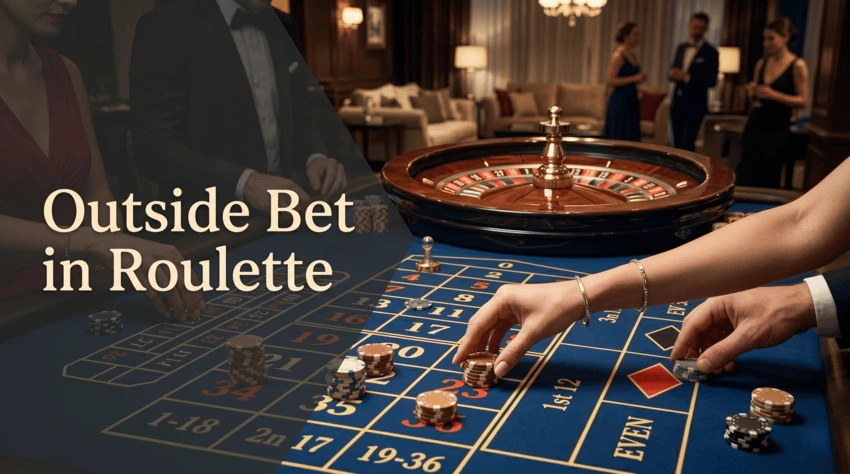
Outside bets grab bigger chunks of the layout. Smaller payouts, but you'll win more spins.
- Column: Any of three vertical columns containing 12 numbers each, paying 2:1
- Dozen: First 12 (1-12), second 12 (13-24), or third 12 (25-36), paying 2:1
- Red/Black: All red or all black numbers, paying 1:1
- Odd/Even: All odd or all even numbers, paying 1:1
- High/Low: Numbers 1-18 or 19-36, paying 1:1
Even money bets
Red/black, odd/even, high/low. All pay 1:1. That's why they're called even money bets. Each one covers 18 of the 37 numbers. About as close to a coin flip as roulette gets. New players usually start here. Makes sense. Pick red or black and watch what happens.
The catch is that green zero. You're not quite at 50/50 odds. You're at 48.6%.
European roulette odds and house edge
Every casino game tilts toward the house. It's math. European roulette? The house edge sits pretty low compared to other table games.
House edge breakdown
House edge is the cut the casino expects to keep from every bet over time. For European roulette, that figure sits at 2.7%, making it competitive among classic table games.
The math comes from the single zero: payouts are calculated as if there were 36 numbers, but there are actually 37.
American roulette with its double zero? House edge jumps to 5.26%. That's nearly double the European version. If both versions are sitting there, go European. Simple math.
Payout ratios by bet type
Here's what you risk and what you get back on each bet:
No matter which bet you make, the house edge stays at 2.7%. What changes is volatility: inside bets produce bigger swings, while outside bets create a slower grind.
European roulette vs American roulette
People ask about this all the time. The difference hits harder than you'd think.
Wheel differences
Spot it quick once you know: count the zeros. European wheel: 37 pockets, one zero. American wheel: 38 pockets, zero and double zero. That extra pocket changes the underlying math significantly.
Odds comparison
Over hundreds of spins, that difference compounds. Players who know their stuff see this instantly. That's why you'll find the sharper crowd at European tables.
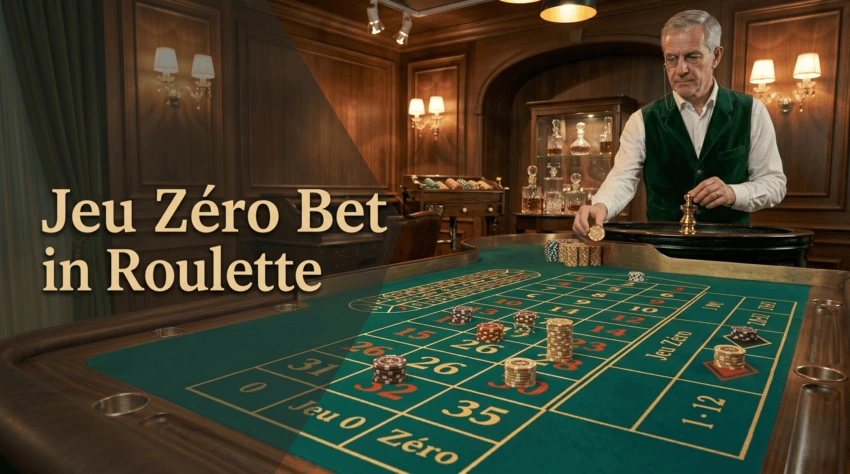
En prison and la partage rules
Some European tables throw in special rules that drop the house edge even lower on even money bets. Not every table includes them, but they're worth knowing about.
- La partage: When the ball lands on zero, you lose only half your even money bet instead of the full amount. That drops the house edge to 1.35% on those bets.
- En prison: Your even money bet gets "imprisoned" when zero hits. Win on the next spin? You get your original bet back. No profit though. If it loses, the house takes everything.
Either way, zero doesn't sting as much. Not every table runs these rules. Some online platforms offer la partage, but it's not standard everywhere.
Common mistakes when playing European roulette
A few patterns trip up newer players. Avoiding them won't guarantee wins, but it prevents making the game harder than it already is.
- Chasing losses: Doubling your bet after a loss feels logical but doesn't change the underlying odds. The wheel has no memory of previous spins.
- Ignoring table limits: Aggressive betting systems can hit the table maximum faster than expected, leaving you unable to continue the progression.
- Playing American when European is available: Always check which version you're playing. That house edge gap adds up fast.
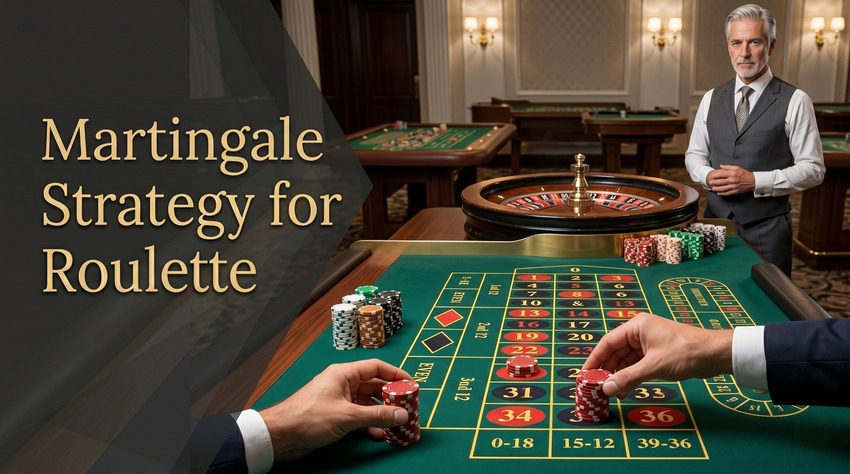
- Treating betting systems as guarantees: Martingale, Fibonacci, and similar approaches can structure your play, but none overcome the house edge mathematically.