Best Way to Play Roulette


Roulette looks simple until you're standing at the table with chips in hand, wondering whether to double down on red or spread your bets across the board. Here's the thing: how you set up before your first spin matters way more than any single bet you'll make.
We're breaking down the betting systems worth your time, calling out the myths that'll empty your wallet, and showing you the moves that actually improve your odds.
Does roulette strategy actually work
Look, strategy isn't about predicting where the ball drops. It's about controlling how you bet. Each spin? Totally random. The house edge doesn't budge, no matter what system you're running. A betting system gives you structure and discipline, but it won't change the underlying math of the game.
Big difference. Roulette is a game of chance, and no sequence of bets can overcome the casino's built-in advantage. What a good system does: stops you from betting wild, gives you clear rules, and makes your money last longer.
- What betting systems do: Create rules for bet sizing, help manage losses, and add structure to your play
- What betting systems don't do: Predict outcomes, change the odds, or guarantee profits
Strategy's just a game plan for how you play. It's not some magic formula for winning. The wheel doesn't care about your last ten bets.
Can you beat the roulette table?
Not mathematically, no. Every roulette wheel carries a house edge, which is the casino's built-in advantage on every spin. On a European wheel with a single zero, that edge sits at 2.7%. American roulette throws in a double zero pocket, bumping that edge up to 5.26%.
No betting system changes those numbers. The Martingale, Fibonacci, and every other approach you'll encounter all operate within the same mathematical reality. Play long enough, and the house edge catches up. Doesn't matter how you bet.
So what does "playing smart" actually mean? It means picking the game with better odds. Setting limits before you start. And yeah, treating this as entertainment you're paying for, not a way to make money. You're not trying to beat the table. You're trying to get the most out of your session.
European vs American roulette
Want better odds? Pick the right wheel. That's the easiest call you'll make. European roulette's got 37 pockets: numbers 1-36 plus one zero. American version? Throws in a double zero, making 38 total.
That one extra pocket? Nearly doubles the house advantage. If you're looking for the best way to play roulette, European or French variants offer better long-term value. French roulette sometimes has the La Partage rule. Ball lands on zero? You get half your even-money bet back.
Types of roulette betting strategies
Betting systems basically split into two camps. Understanding the difference helps clarify what you're signing up for before you commit to a specific approach.
Progressive betting systems
Progressive systems change how much you bet based on what just happened. Win or lose, your next bet shifts. Martingale doubles when you lose. Paroli doubles when you win. Either way, you're in for bigger swings.
Here's the trade-off: you can recover losses fast on a hot streak. But you can also hit table limits or blow through your bankroll on a cold one.
Non-progressive betting systems
Flat betting means you bet the same amount every time. Doesn't matter if you're winning or losing. Pick an amount. Stick with it. Your sessions stay steadier and your money lasts longer. But when you lose? Takes more time to recover.
Got a smaller bankroll or planning to play longer? Non-progressive systems work better.
Proven roulette strategies
Each system works differently. Different risks, different situations where they make sense. None of them beat the house edge. But they'll change how your night goes.
Martingale strategy
Every time you lose on even-money bets (red/black, odd/even), double up. One win gets back everything you lost, plus a little extra. Then you're back to square one with your starting bet.
- How it works: Lose $10, bet $20. Lose again, bet $40. Win, and you're up $10 total.
- Best for: Players with larger bankrolls seeking short-term recovery
- Risk: Table limits can cap your doubling before you recover
Grand Martingale strategy
Same concept as the Martingale, but you add one extra unit on top of doubling after each loss. You recover losses faster and win a bit more when you hit. The downside? You need way more money to play, and you'll hit table limits faster.
Reverse Martingale and Paroli system
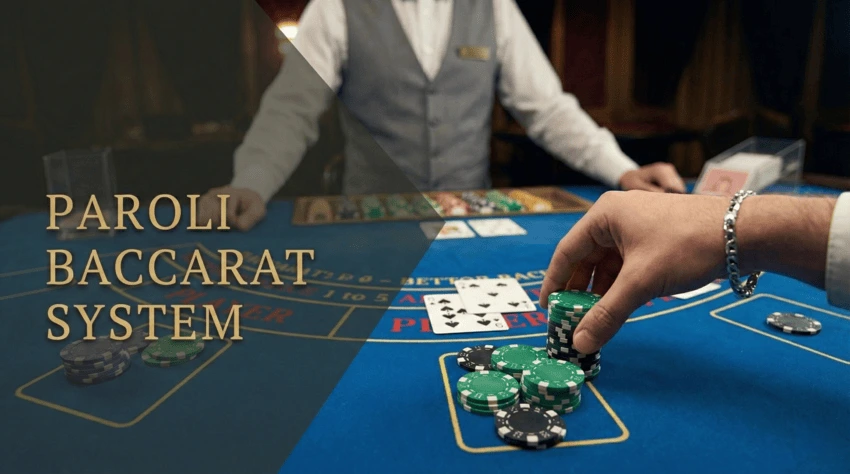
Both do the opposite: you double when you win, not when you lose. You ride hot streaks while keeping your starting cash safe during cold ones. Paroli usually stops at three wins in a row, then you reset.
The catch: one loss kills everything you just won. Both systems work best when you're comfortable walking away after a hot run rather than pushing further.
Fibonacci strategy
Follow the famous sequence (1, 1, 2, 3, 5, 8, 13...) for bet sizing after losses. Lose? Move one number up. Win? Go back two. It's gentler than Martingale. But you'll need a few wins to recover, not just one.
D'Alembert strategy
Lose? Add one unit. Win? Drop one unit. Your bets stay flatter than Martingale. Less wild swings. D'Alembert is often chosen by players who want structure without dramatic swings.
Labouchere system
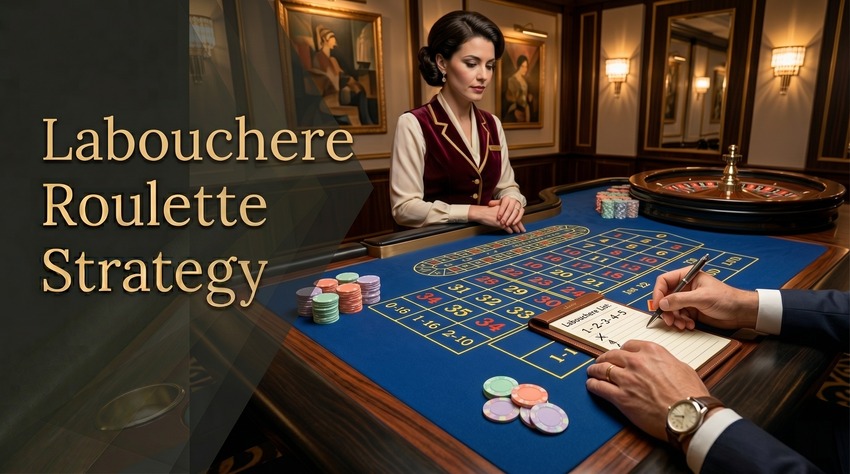
Start with a number sequence. Let's say 1-2-3-4. Bet the first and last numbers added together. Win? Cross both off. Lose? Tack that amount onto the end. The system ends when you've crossed off all numbers.
Labouchere gives you more control, but you've gotta track that sequence the whole time.
James Bond strategy
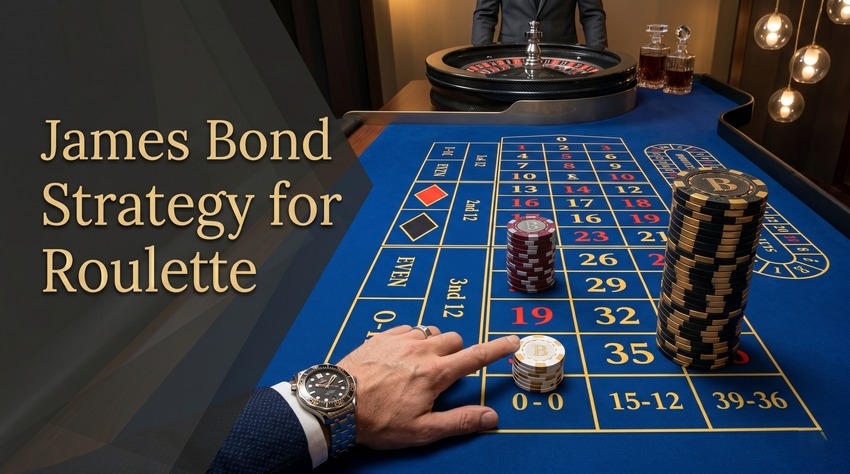
This one spreads your bet across different outcomes. Classic version: put 70% on high numbers (19-36), 25% on the six-line covering 13-18, and 5% on zero. You've got most of the wheel covered. But if 1-12 hits? You're toast.
Andrucci's strategy and roulette patterns
Some players track results looking for "hot" numbers, then bet heavily on numbers that appear frequently. The whole thing's based on spotting patterns and believing certain numbers get hot.
Here's the reality: each spin is statistically independent. The wheel doesn't remember what just happened. Tracking patterns can be entertaining, but it doesn't change the underlying odds or give you an edge.
How to choose the best strategy for playing roulette
Different systems work for different people. What works for you depends on a few things.
Your risk tolerance
Like big swings? Martingale or Grand Martingale could be your thing. If you prefer steadier sessions without dramatic ups and downs, DAlembert or flat betting aligns better with a conservative approach.
Your bankroll size
Progressive systems need more money upfront to survive cold streaks. If you're starting with a modest bankroll, non-progressive approaches help you stay in the game longer without risking a total wipeout early in your session.
Table betting limits
Check the table limits before you pick a system. Martingale fails when the table limits prevent you from doubling further. With a $10 minimum and $500 max, you can only double six times before you're done.
Roulette myths that hurt your bankroll
Some myths keep tripping people up. Spot them early, and you'll dodge the traps.
Past spins predict future results
This is the gambler's fallacy. Red hits ten times straight? The next spin's still got the same chance of being red. The wheel doesn't balance itself out or "owe" you a black result.
Betting systems guarantee wins
No system beats the house edge. Period. Betting systems manage your wagering behavior, not the game's mathematics. Anyone claiming otherwise is selling something.
Hot and cold numbers matter
Casinos display recent results on screens near the table for entertainment. Those numbers don't tell you squat about what's coming next. Betting on patterns? Means nothing statistically, even though it feels right at the time.
Smart bankroll management for roulette bets
Strategy means nothing when you're out of chips. A few habits that'll keep your bankroll alive:
- Set a session budget: Decide what you can afford to lose before you start spinning at the casino
- Use win limits: Lock in profits by walking away after hitting a target amount
- Avoid chasing losses: Stick to your system regardless of short-term results
- Separate gambling funds: Keep your entertainment budget separate from essential expenses
Expert tips for better roulette play
1. Choose European or French roulette
Lower house edge, better odds over time. French roulettes La Partage rule cuts the edge on even-money bets even further by returning half your stake when zero hits.
2. Favor outside bets for longer sessions
Red/black, odd/even, high/low all pay 1:1, but they hit way more often. You'll experience smaller swings and more spins per session compared to straight-up number bets.
3. Set win and loss limits before you spin
Pick when you'll walk away before you start. Play long enough, and discipline beats luck. Know when to walk, and you'll protect your wins and your cash.
4. Avoid the five-number bet
You only see this on American wheels. Covers 0, 00, 1, 2, and 3. Worst odds on the table at 7.89% house edge. That's brutal compared to the usual 5.26% on American wheels.
5. Test strategies in free play first
Practice with free play before you bet real cash. See how a system feels when you're winning and when you're losing. Makes it easier to stick with when you're playing for real.
All this works better on a platform that's fast and transparent. JB offers crypto roulette with instant deposits, fast withdrawals, and provably fair games.