Roulette Table Layout


Look at any roulette table and you'll see a felt grid with numbers, colors, and betting boxes. That's your layout. It shows you where to place chips for every type of bet. The version matters more than you think. American or European? That choice changes your odds every single spin.
We'll walk through both layouts, explaining inside bets, outside bets, payouts, and why the differences actually matter when real money's on the table.
What is a roulette table layout?
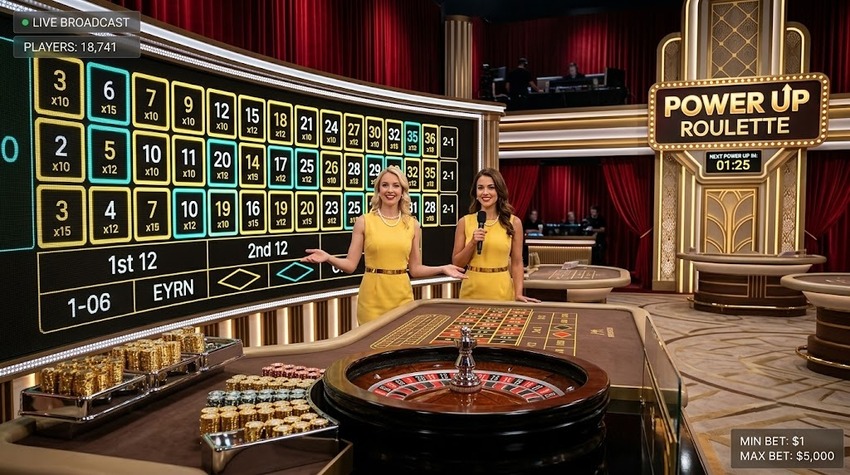
The layout is just the betting surface. Numbers 1 through 36, plus one or two green zeros, all laid out on felt, so you know where to drop your chips. Everything's organized in a grid. Single numbers, color bets, dozens. It's all there. Whether you're playing at a physical casino or trying live dealer roulette online, the layout works the same way.
You'll see two versions:
- Single-zero layout: Used in European roulette, featuring one green 0 pocket. Fewer pockets means slightly better odds for players.
- Double-zero layout: Used in American roulette, featuring both 0 and 00 pockets. That extra pocket increases the casino's advantage on every spin.
The layout you play changes the odds on every bet. This isn't just design. The layout directly affects your chances.
American roulette table layout
American tables have that double-zero pocket. You'll find both 0 and 00 at the top of the grid. This version became the standard across North American casinos and remains widely available at online casinos.
The wheel sits at one end. The betting grid spreads out from there. Dealer's behind the wheel. You stand at the sides and place your bets.
The double zero pocket
That 00 pocket? That's the key difference between American and European roulette. It's green, just like the single 0, and sits right beside it on both the wheel and the table. Looks like just another number, right? Wrong. That 00 changes the odds on everything else you bet.
Number grid and betting sections
The main grid shows 1 through 36. Three columns, twelve rows. Red and black numbers mix throughout, but not in a simple back-and-forth pattern. The sequence is designed to spread things out.
Around the edges, you'll see boxes for bigger bets. Red or black. Odd or even. High or low. Dozens and columns. These pay less because they cover more numbers.
Where 0 and 00 sit on the table
Both zeros sit at the top of the grid, right above the 1-2-3 row. They're green so they stand out from the red and black. On the actual wheel, they're opposite each other for balance.
European roulette table layout
European tables have just one zero. That's why experienced players like them better. One fewer pocket means the odds tilt a bit more your way.
European tables often have extra betting areas you won't find on American ones. More options for how you place your bets.
The single zero advantage
No 00 means 37 pockets instead of 38. One number. But it makes a real difference in the house edge. Play long enough and you'll feel that difference add up.
French bets and the racetrack oval
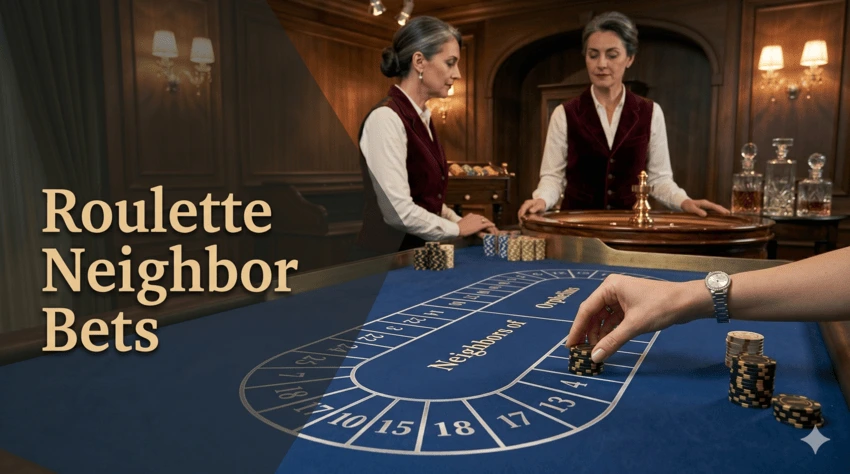
A lot of European tables have this oval section called the racetrack. It matches the wheel's number order, not the grid's. The racetrack lets you make call bets or announced bets. These cover specific wheel sections.
Here are the main French bets:
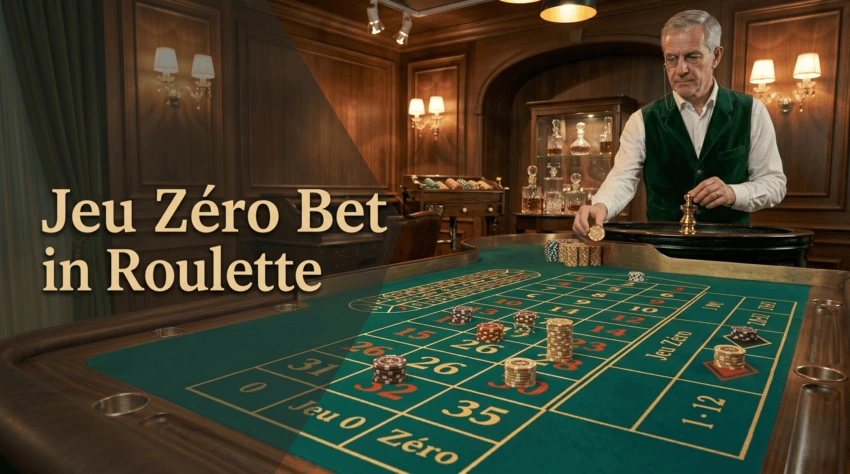
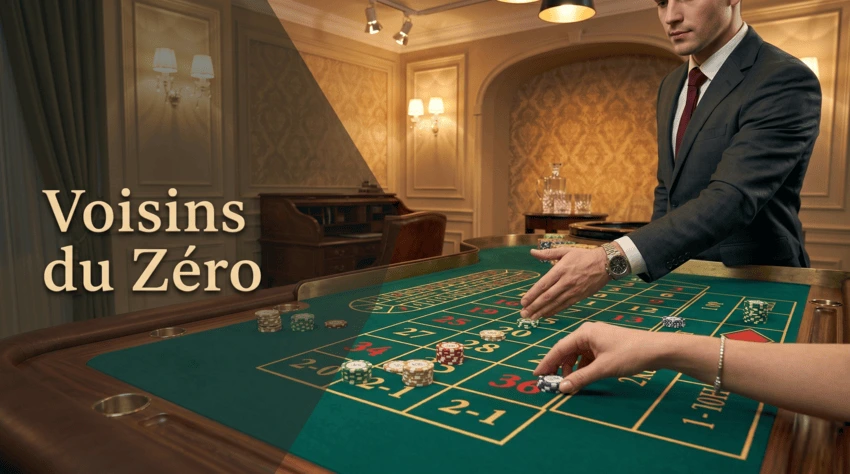
- Voisins du Zéro: Covers the 17 numbers neighboring zero on the wheel, requiring nine chips to complete
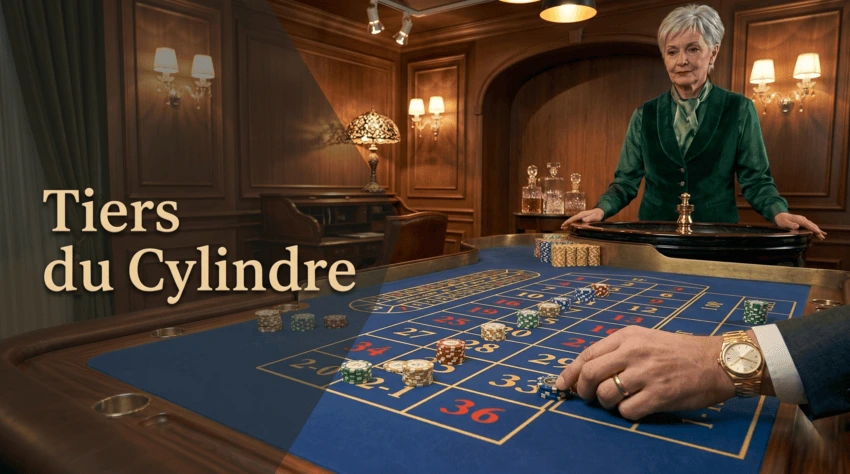
- Tiers du Cylindre: Covers 12 numbers on the opposite side of the wheel from zero, using six chips
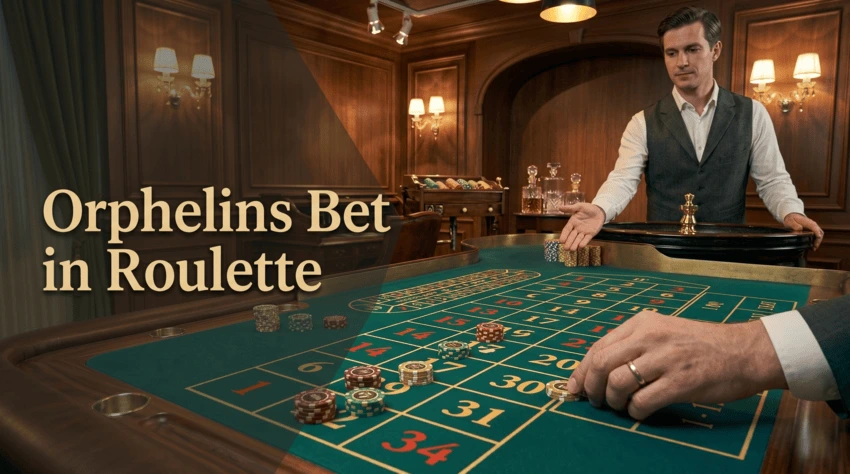
- Orphelins: Covers the eight numbers not included in the other two sections, requiring five chips
These bets focus on the wheel itself, not the table grid. Makes sense if you're thinking about where the ball actually lands.
Key differences from American tables
The zero difference isn't the only thing. European tables often have different layouts and bet options.
Inside bets on the roulette layout
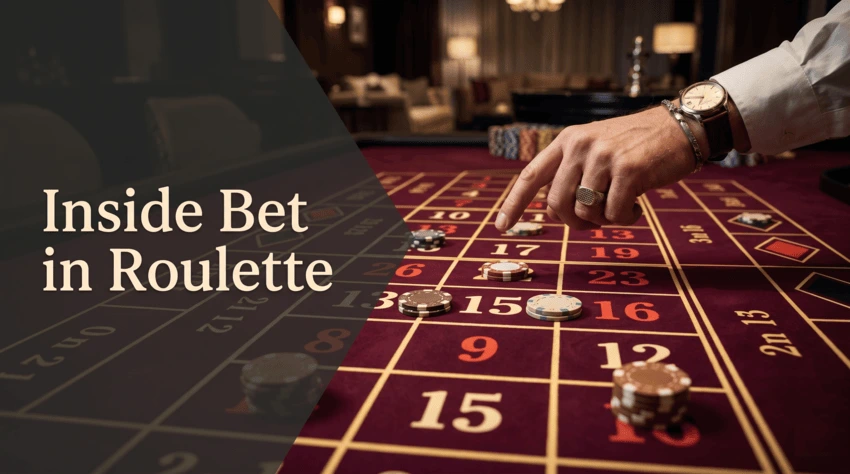
Inside bets go straight on the number grid. Fewer numbers covered means bigger payouts. Simple trade-off. Higher reward, worse odds.
Pick one number. Drop your chip right in the center of its box. Hits? You get 35 to 1.
Two numbers next to each other. Put your chip on the line between them. Either one hits, you get 17 to 1.
Three numbers across. Chip goes on the outside edge of that row. Pays 11 to 1.
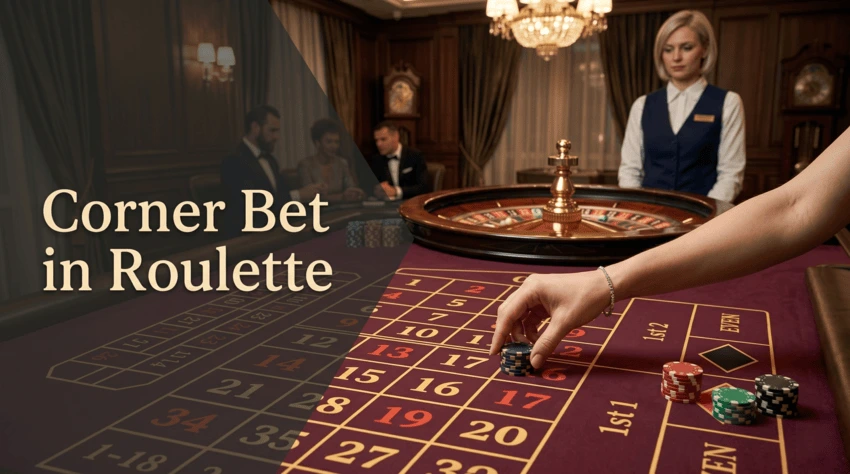
Four numbers meet at one corner. Chip goes where all four touch. Some call it a square bet. Pays 8 to 1.
Six line
Two rows, six numbers total. Put your chip where both rows meet on the outside corner. Pays 5 to 1.
Outside bets on the roulette layout
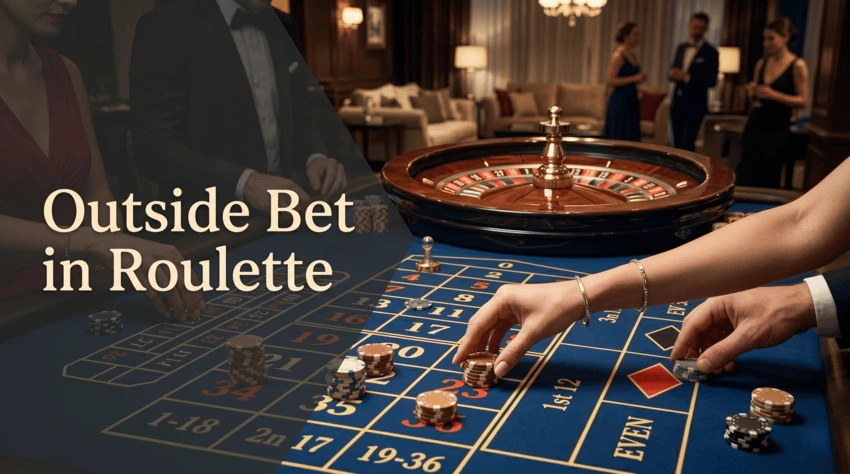
Outside bets sit in boxes around the main grid. More numbers mean better odds. But smaller payouts.
Red or black
Pick red or pick black. 18 numbers either way. Pays even money.
Odd or even
Odd or even. Zeros don't count as either, so you lose if it hits green. Pays even money.
High or low
Low is 1 through 18. High is 19 through 36. Even money payout.
Dozens
The 36 numbers are split into three groups. 1-12, 13-24, 25-36. Pick one dozen. 12 numbers, pays 2 to 1.
Columns
Three boxes at the bottom match the three vertical columns. Each column has 12 numbers that don't run in order. Pays 2 to 1.
Roulette payouts and odds by bet type
Roulette payouts make sense. Fewer numbers? Higher payout. Full breakdown:
Payouts don't match the true odds. That gap? That's the house edge.
American vs European roulette house edge
House edge is the casino's advantage, plain and simple. American tables have that extra 00. Bigger house edge than European. Same payouts on both versions. But American has 38 pockets, European has 37.
Every bet on an American table has worse odds because of it. For casual play, the difference might not feel significant, though players comparing house edges across table games like blackjack will notice the impact. Play longer sessions or bet bigger? It adds up fast.
How the roulette wheel layout matches the table
The wheel and table show numbers in totally different orders. Table runs 1, 2, 3 in order. The wheel mixes everything up. Red and black, odd and even, high and low spread around the whole thing.
This keeps similar numbers from bunching together. Ball lands anywhere, you get a mix of number types. The table grid makes betting easy. The wheel's the one that matters for odds.
Common mistakes when reading the roulette betting table
New players mess up the layout in ways that cost them. Here's what to watch:
- Confusing table position with wheel position: The number next to 17 on the grid isn't next to 17 on the wheel
- Missing the 00 on American tables: The extra zero affects all bets, not just wagers on zero itself
- Placing chips incorrectly: Whether your chip sits on a line or in a box determines your bet type entirely
- Ignoring table minimums: Many tables set different minimums for inside versus outside bets
Play roulette with clarity at JB
JB offers both American and European crypto roulette variants with clean interfaces and provably fair mechanics, meaning you can verify each spin's randomness independently. The table game selection covers everything from low-limit play to high-stakes action, and deposits settle quickly.