Jeu Zero Bet in Roulette

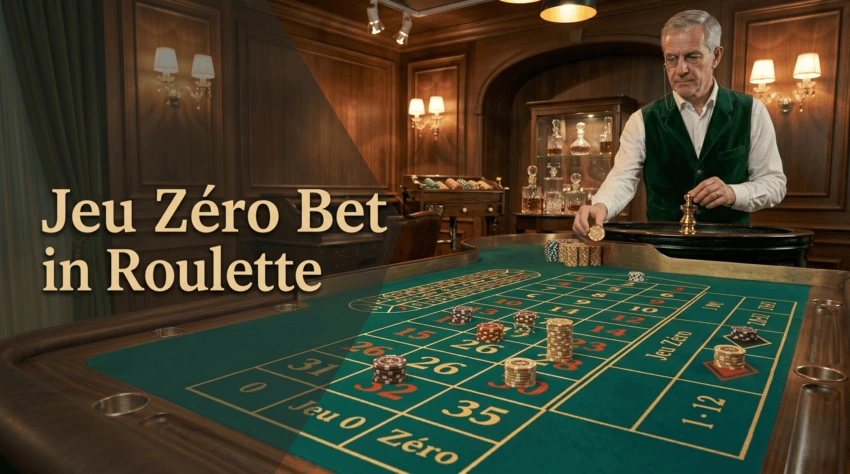
Jeu zero is a four-chip bet that targets seven numbers bunched together near the green zero on a European roulette wheel. You might hear it called "zero game" or "zero spiel." It's one of the smaller call bets you can make using the racetrack layout.
Let's break down which numbers you're betting on, where your chips go, what each spot pays, and how this stacks up against bigger sector bets like voisins du zero.
What is the jeu zero bet?
Think of jeu zero as betting on a slice of the wheel instead of random spots on the felt. Some tables call it "zero game" or use the German term "zero spiel," which just means "zero play." Instead of scattering chips across the table, you're targeting one specific section of the wheel where zero lives.
Call bets work differently from normal roulette wagers. Some people call them announced bets. You're not betting on individual numbers or colors. You're betting on an actual section of the spinning wheel. These numbers sit next to each other on the actual wheel, but they look random when you check the table layout.
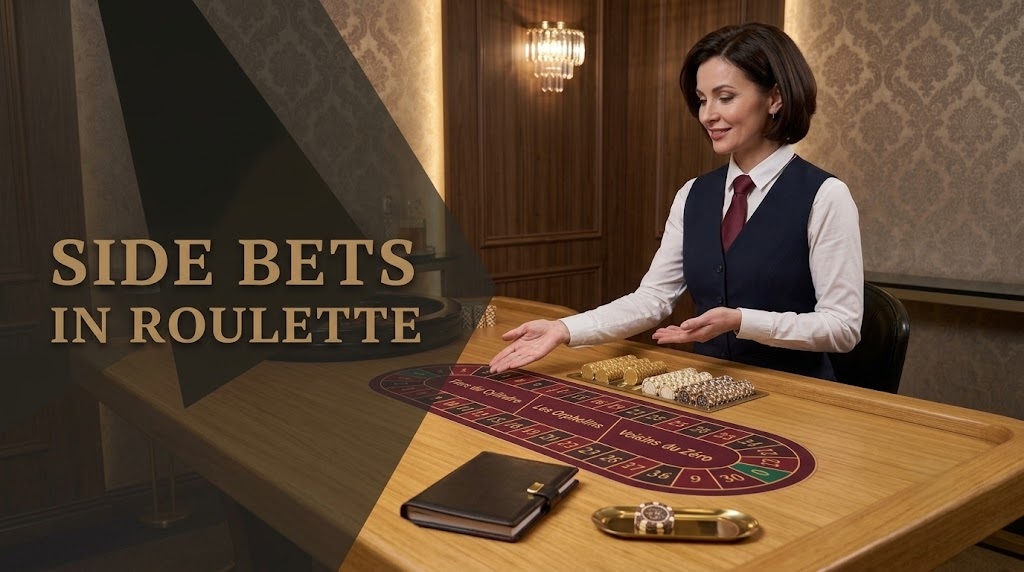
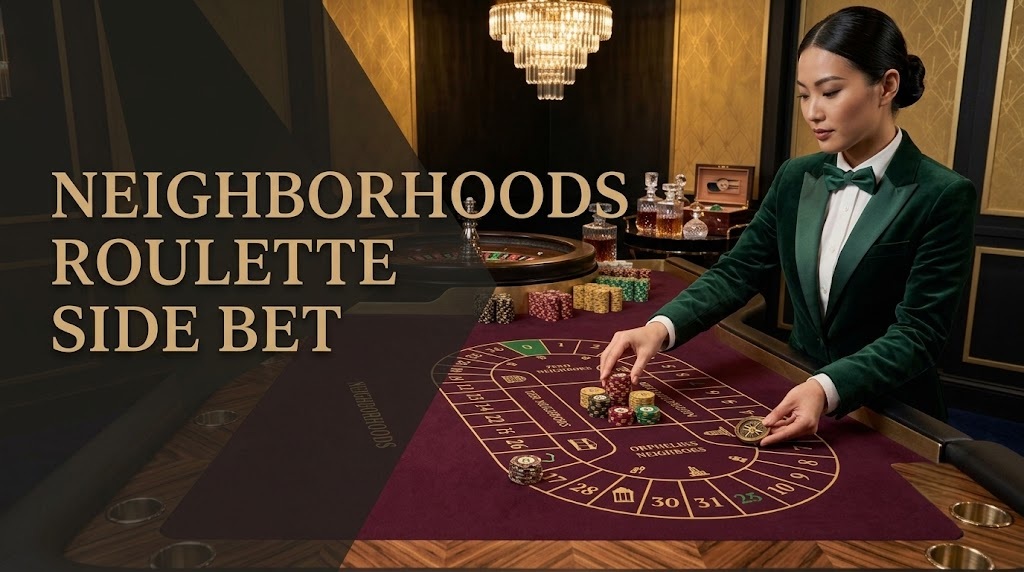
Jeu zero is one of the smaller call bets out there. It covers fewer numbers than voisins du zero (the "neighbors of zero" bet), so you're risking less per spin. You'll find jeu zero on European and French roulette tables, typically through a special oval-shaped betting area called the racetrack.
Numbers covered by the jeu zero bet
Jeu zero covers seven numbers. They're bunched together in an arc around zero on the wheel: 12, 35, 3, 26, 0, 32, 15.
Here's what confuses people: these numbers look totally random on the table layout. They're scattered across different sections of the felt. But on the wheel itself, they're sitting right next to each other. That's why call bets exist in the first place. You're betting on wheel position instead of table position.
That's exactly why the racetrack exists. It shows numbers in wheel order, so you can see which ones actually sit next to each other.
How to place the jeu zero bet
Chip placement breakdown
You need four chips for jeu zero, split across four different bets. Three chips go on splits. That's when you bet on two adjacent numbers at once. The fourth chip goes straight-up on a single number.
The 26 bet is different from the others. It only covers one number, so there's more risk on that chip. If 26 hits, though, you get a bigger payout.
Using the racetrack interface
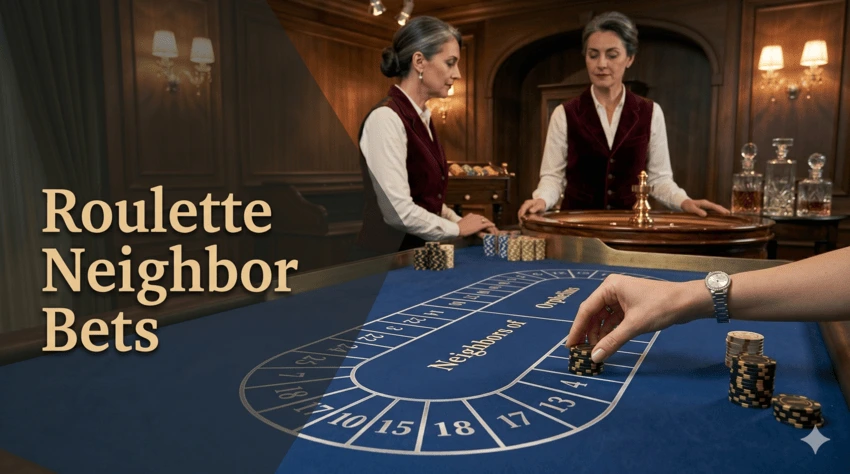
Most online roulette games have a racetrack. It's an oval betting area that matches the wheel's number order. Click the "Jeu Zero" or "Zero Spiel" section, and the software places your chips in the right spots automatically.
You don't have to place anything yourself. The racetrack does all the work.
You'll find it in RNG table games (random number generator) and live dealer tables. The label might change depending on the software, but the bet works the same. Some tables call it "Zero Game" in English. Others use the French or German names.
Jeu zero payouts and odds
Your payout changes based on which number hits. Because you're mixing splits with a straight-up bet, your return depends on where the ball stops.
If you get 26 hits, you win 35 times what you put on it. If any split number hits, you win 17 times your chip on that split. Your other three chips are gone, no matter what.
You've got a 7 in 37 shot at hitting a jeu zero number on each spin. That's about 18.9%. Not bad for a four-chip bet. Still, the ball misses your zone about four times out of five.
Jeu zero vs voisins du zero
Both bets hit the zero region, but they cover different amounts of the wheel and cost different amounts of chips.
Voisins du zero (French for "neighbors of zero") covers 17 numbers. That's almost half the wheel. You need nine chips, and it includes every number from 22 to 25 in wheel order. Jeu zero only covers the seven numbers closest to zero.
- Coverage: Jeu zero covers 7 numbers; voisins du zero covers 17
- Chip cost: Jeu zero uses 4 chips; voisins du zero uses 9
- Overlap: Every jeu zero number falls within the voisins du zero range
Think of jeu zero as the smaller, tighter version. You're betting on the heart of the zero area without spreading into the wider neighborhood. The trade-off's simple. Less coverage means fewer chips at risk and fewer ways to win.
House edge on the jeu zero bet
The house edge on jeu zero is the same as every other European roulette bet: 2.7%. That edge comes from the single green zero. It's how the casino keeps its math advantage on every spin.
Mixing different bet types into one wager doesn't change the math. Each chip has the same odds as if you placed it separately. Jeu zero just makes it easier to bet on a wheel section. It doesn't cut the house edge.
Some French roulette tables have the "La Partage" rule. If zero hits, you get back half of your even-money bets. Jeu zero doesn't cover any even-money bets (like red/black or odd/even), so La Partage won't help you here.
Jeu zero in online and crypto roulette
Nearly every online roulette game has the racetrack feature. You can place call bets with one click. This applies to both software-based games and live dealer tables streamed from real studios.
At crypto casinos, European roulette with full call bet support is standard. Deposits go through fast, and lots of platforms have provably fair verification. Provably fair means you can check each spin's randomness yourself using cryptographic hashes. You'll know nobody messed with the outcome after you bet.
Quick note: Make sure you're playing European roulette. American roulette has a different wheel with an extra double-zero pocket. Jeu zero doesn't work on that layout. The numbers are arranged totally differently.
When to use the jeu zero bet
Jeu zero's good if you want to hit the zero sector without dropping as many chips as voisins du zero requires. It's a middle option. You get more coverage than just betting zero straight-up, but it costs less than covering the whole neighborhood.
Some players rotate through sectors, switching between jeu zero, tiers, and orphelins from spin to spin. Others just like betting on one section of the wheel instead of random table spots.
Jeu zero won't change your odds over time. The house edge stays the same no matter how you structure your bets. This bet's about how you like to play, not about getting better math. If you like watching the ball land in one specific zone, call bets make the game more interesting than regular table bets.