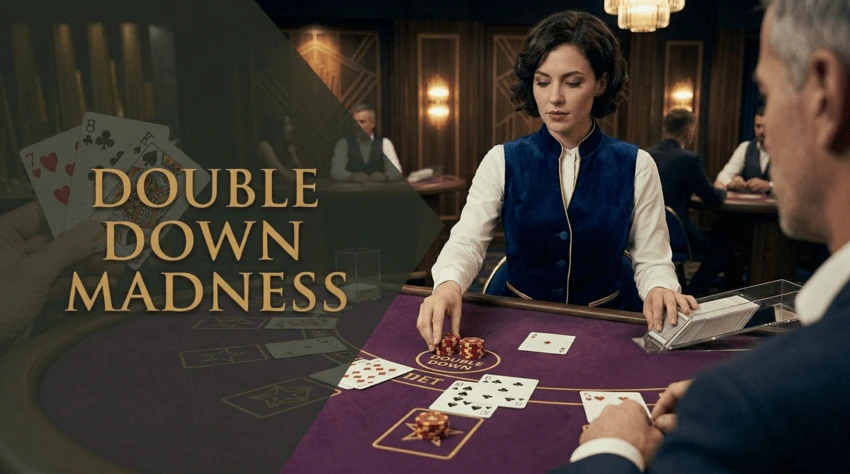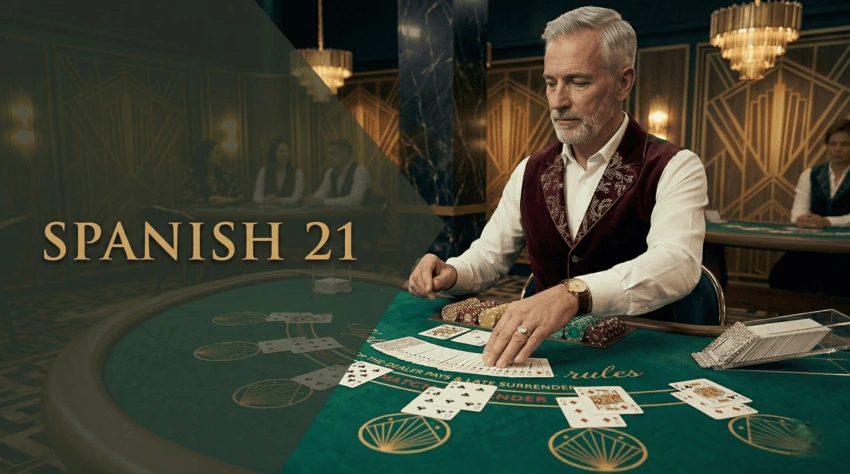

European blackjack looks like standard blackjack until you notice the dealer holding just one card. That missing hole card changes everything about how you play.
You'll learn why the rules differ, which strategy moves actually save your chips, and the mistakes American players make when they first sit down.
European blackjack switches up the usual game in one big way: the dealer only gets one face-up card at the start. That second dealer card? It doesn't show up until you've already made all your moves. This "no hole card" approach is what separates European blackjack from the American version, and it affects how you play nearly every hand.
Most European tables run two decks instead of the six or eight you'd see in American casinos. You'll find European blackjack at tables across the continent and increasingly at online crypto blackjack platforms, where the streamlined rules work well in digital formats.
The goal's still simple: beat the dealer by getting closer to 21 without busting. But a few rule changes set European blackjack apart.
When the cards come out, the dealer only gets one card face-up. The dealer's second card comes out after everyone at the table finishes their turn. Why does this matter? If the dealer flips blackjack, do those extra bets from doubles and splits? Gone.
American blackjack works different. The dealer peeks at that hidden hole card when they're showing a 10 or ace. If it's blackjack, the hand stops right there and you only lose what you bet originally. European rules don't protect you like that.
Most European tables only let you double on hard 9, 10, or 11. Hard total just means you don't have an ace counting as 11.
American rules let you double on any two cards, giving you way more options. This European restriction cuts out some solid plays you'd make in other versions.
Splitting in European blackjack has limits:
All these rules add up, so you'll split less often when you're on the fence.
The dealer stands on all 17s, even soft 17 (ace plus 6). This rule helps you a bit more than tables where dealers hit soft 17.
When dealers hit soft 17, they get more shots at improving a weak hand. Standing means that the total stays put. It busts less but doesn't improve either.
Each hand of European blackjack plays out the same way. Here's how it goes.
Put your chips in the betting circle before the cards come out. Once betting closes, the dealer starts.
You'll see two cards face-up in front of you. The dealer gets one card face-up. That second dealer card? Not yet.
You've got four moves:
What you do depends on your cards, what the dealer's showing, and the table rules.
Once everyone finishes their turn, the dealer grabs that second card. The dealer keeps hitting until hitting 17 or better, then stops.
Whoever gets closest to 21 without busting takes it. Blackjack (ace plus a 10-value card) usually pays 3:2. Tie the dealer? That's a push, and you get your bet back.
Which version gives you better odds? Good question. The differences look small, but they matter over hundreds of hands.
The no-hole-card rule changes your strategy more than anything else. Double or split against a dealer 10 or ace? You could lose both bets if the dealer flips blackjack. American rules check for blackjack first, so you're covered before making those moves.
This one change makes aggressive plays way riskier in European blackjack.
American blackjack? You can double on any starting hand. Got soft 13 against a dealer 5? Double it. European rules cut that flexibility, taking away some good chances to win.
The upside? European games use fewer decks, which helps a little if you count cards.
European blackjack usually has a slightly higher house edge than American blackjack if you play perfect strategy. Most of that difference comes from the no-hole-card rule.
The exact numbers change based on table rules, but European blackjack costs you a bit more per hand over time. The two-deck shoe helps some, but it doesn't make up for everything.
Strategy charts show you the best move for every hand against every dealer upcard. European blackjack needs different charts since the no-hole-card rule changes some big decisions.
Use an American strategy chart at a European table? You'll lose money. These adjustments seem minor, but they cost you over hundreds of hands.
Hard hands don't have an ace counting as 11. The chart tells you when to hit, stand, or double based on what you've got and what the dealer shows.
Against a dealer 10 or ace, the European chart says play it safer. You'll stand or hit in hands where you'd double in American blackjack.
Soft hands have an ace counting as 11. Since you can't bust on one hit, you can play more aggressively.
But European rules still limit soft doubling to 9, 10, or 11 at most tables. The chart accounts for these limits.
Splitting pairs takes more thought in European blackjack. The chart tells you when splitting helps and when keeping the pair makes more sense.
Against a dealer 10 or ace, you won't split as much as you would in American blackjack. Losing both bets to dealer blackjack makes borderline splits not worth it.
Look, not everyone wants to memorize full charts. Three rules cover most hands and keep you playing smart.
Got hard 17 or better? Stand, no matter what the dealer shows. The numbers say don't hit, even if the dealer shows an ace.
Dealer showing 2 through 9? Doubling on 10 or 11 still makes sense. Don't double against 10 or ace because of that no-hole-card risk.
Insurance is a side bet that shows up when the dealer has an ace. It pays 2:1 if the dealer's got blackjack. The math says it's a losing bet over time, no matter what hand you're holding. Don't take it.
Basic strategy helps, but a few habits make the difference between casual players and people who actually protect their money.
Your gut feeling? It'll lose you money at blackjack. Someone already did the math on the best plays. Ignore the chart and you're giving the house a bigger edge.
Keep a chart on your phone. No shame in checking it mid-hand, especially when playing bitcoin blackjack online.
Most online casinos have demo versions of European blackjack. Play for free first so the moves become second nature before you risk actual money. When you're learning, getting it right matters more than playing fast.
Figure out how much you're spending before you sit down. Hit that number? Time to leave. Chasing losses? That almost never ends well, whether you're at a casino or playing online.
Knowing what NOT to do saves just as much money as knowing the right moves.
The differences seem small. But they cost you real money. European blackjack needs European strategy.
Doubling against a dealer 10 feels right when you've got 11. In European blackjack, that doubled bet's gone if the dealer flips blackjack. Play it different.
Splitting doesn't always make sense. Tens make a solid 20. Keep them together. Fours and fives? Don't split those either. The chart shows when splitting makes sense. Follow it.
You'll find European blackjack at most big online casinos, including crypto casinos. Live dealer versions stream real tables with professional dealers, combining online convenience with physical casino atmosphere.
Pick a platform with provably fair games. Provably fair means you can check that each hand was actually random and not rigged. Quick deposits and withdrawals matter, especially with crypto.
JB offers European blackjack alongside a full range of crypto casino table games. Deposits hit instantly, payouts come fast, and the site works smooth on desktop or mobile.
You can play with bitcoin and other cryptos, and they've got provably fair verification if you want proof everything's legit. If you're ready to put your European blackjack strategy to work, JB keeps the experience smooth.

.webp)