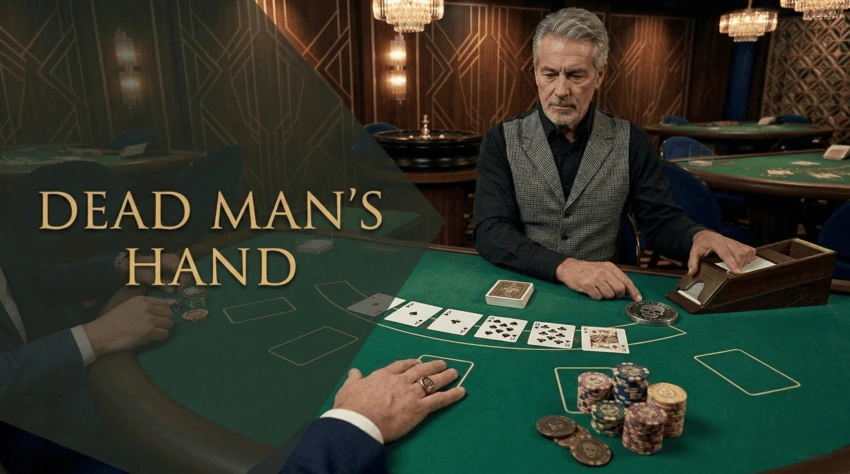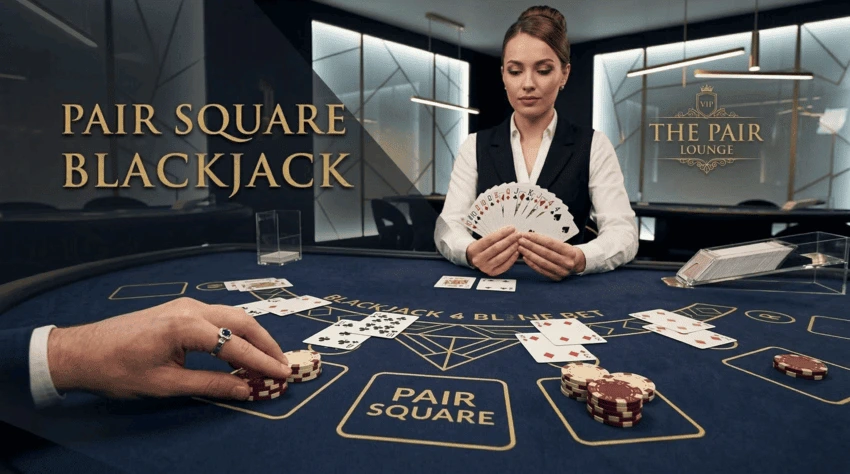

Blackjack Match is a side bet that pays when your cards match the dealer's upcard in rank. It resolves the second card hit the table, and it has nothing to do with your main hand.
You still play blackjack the exact same way. This just gives you something extra to sweat. Here's what you need to know: the rules, what it pays, how the house edge shifts by deck count, and when it actually makes sense to throw chips on it.
So what is this thing? You're betting that one or both of your cards will match the dealer's upcard by rank. You place it next to your regular bet. Once the cards land, you know right away if you won. What happens to your blackjack hand after that? Doesn't matter. You can lose your main hand and still collect on the match.
Before the dealer flips anything, you drop chips in the side bet spot. Dealer gives you two cards and shows one of theirs face-up. That's the upcard. If one of your cards matches that upcard by number or face, you win.
What separates a small payout from a big one is whether the match is suited or unsuited:
The side bet resolves instantly. You don't wait for the hand to finish. Win or lose on the match, you still play out your blackjack hand like you always do.
Different casinos call this bet different things. Some places go with "Blackjack Match." Others say "Match the Dealer." Same bet either way.
The STAX Progressive system (you'll see it at bigger casinos) throws in digital screens and jackpot meters that climb. Tables without STAX offer fixed payouts instead. No matter what they call it, the rule doesn't change: match the dealer's upcard by rank, collect your payout.
If you're playing crypto blackjack online, the bet often appears simply as "Match" or "Match the Dealer" in the interface. Don't let the naming variations confuse you. Same bet, different branding.
This takes about thirty seconds to figure out. Here's how it works, step by step.
Drop your regular blackjack bet first. Want in on the side bet? Add chips to that smaller circle next to your main stack. Some tables let you toss in extra for a progressive jackpot shot.
Side bet minimums are usually smaller than the main game. You're not committing much to participate.
Dealer deals two cards to everyone, then flips one of theirs face-up. Right then, you see if either of your cards matches that upcard.
No decisions on your part. The match either exists or it doesn't. Got a match? Dealer calls it out right away.
Your main hand proceeds using standard blackjack rules. Hit, stand, double down, split. The side bet has already resolved, so nothing you do affects it.
This independence matters. You could split a pair, bust both hands, and still walk away with winnings from a suited match on the original deal.
Match hits? You get paid immediately. Your blackjack hand wraps up later, as usual.
If you matched and won the main hand, you collect twice. If you matched but lost the main hand, you still leave with something. These two bets run completely separate from each other.
Most casinos use similar payout structures, but the exact numbers shift from place to place. Rarer outcomes pay more.
Check the paytable at whatever table you're sitting at. Payouts change from casino to casino. Sometimes they're different at tables in the same building.
Why the huge jump between suited and unsuited payouts? It's all about odds. With six decks in play, you'll match by rank way more often than you'll nail both rank and suit.
Think about it: the shoe has a bunch of 7s, but only one 7 of hearts per deck. Suited matches are harder to hit, so they pay better. Makes sense when you picture how the cards are spread out.
Tables with STAX Progressive take a cut of every side bet and throw it into the jackpot pool. Land certain outcomes (usually a suited double match with specific cards), and the progressive is yours.
The trade-off? Progressive bets are a worse deal when the jackpot's sitting near the reset amount. As jackpots grow, the math improves slightly. Some people watch the meter and only bet when the pot climbs high enough to make it worth the risk.
Side bets cost you more than the main game. That's just how it is. Blackjack Match is no different.
The exact edge depends on how many decks the casino uses:
For context, basic strategy blackjack on the main hand often sits below 0.5% house edge. The match bet costs more over time. That's the trade-off for the chance at bigger single-hand payouts.
Nothing you do will kill the house edge here. A few practices help you play smarter, though.
Keep your side bet money separate from what you're playing blackjack with. If you're playing with $200 for the session, maybe $20 to $30 goes toward side bets total.
That way, the side bets don't chew through your main bankroll. Side bets make things more interesting. They're not meant to carry your session.
Progressive jackpots hit a point where the math starts working better. When the meter's close to where it resets, you're getting a raw deal. As the pot climbs, the numbers look a little better.
Watching the meter isn't a perfect approach, but it beats blindly betting the progressive every hand.
The math here is honest: you're paying for volatility. The chance to hit a 25:1 suited double match adds a spark to routine hands. Over hundreds of rounds, the house edge grinds.
Play the match bet because it's fun, not because you expect to profit long-term. Keep that in mind, and you won't get frustrated when the math does what math does.
Crypto blackjack tables make side bets dead simple. The whole thing works great online, and crypto tables actually do it cleaner than most brick-and-mortar spots.
If you're already playing blackjack with crypto, adding the match bet takes one click.
Depends what you want out of your time at the table.
Want the best odds? Stick to a basic strategy on your main hand. Skip the side bets entirely. The numbers back that up over the long run.
Like extra action? Don't care about paying a bit more for bigger swings? Then yeah, Blackjack Match is fun. Hitting a suited double match on a random hand feels good, even if the math says you'll give some of that back over many rounds.
The bet works best as a supplement, not a centerpiece. Sprinkle it in when you're feeling it. Skip it when you're grinding.
The 1-3-2-6 system is a betting pattern for your main hand. You bump your bet after wins, following those numbers as your unit sizes. It's for your main blackjack bet, not side action like Blackjack Match. The idea is to ride hot streaks and keep losses smaller when you're running cold.
A tie (called a push) gives you your main bet back. You don't win or lose on that hand. The side bet settles on its own based on whether your cards matched. A push on the main hand changes nothing.
Yes. Many live dealer and RNG blackjack tables at crypto casinos offer match-style side bets. Works the same as physical tables, but payouts hit your balance right away.
Counting doesn't help much with this bet. The bet settles on the first three cards out, so whatever edge you'd get from tracking the shoe is tiny compared to counting for your main hand. Most advantage players don't bother with it.






.webp)