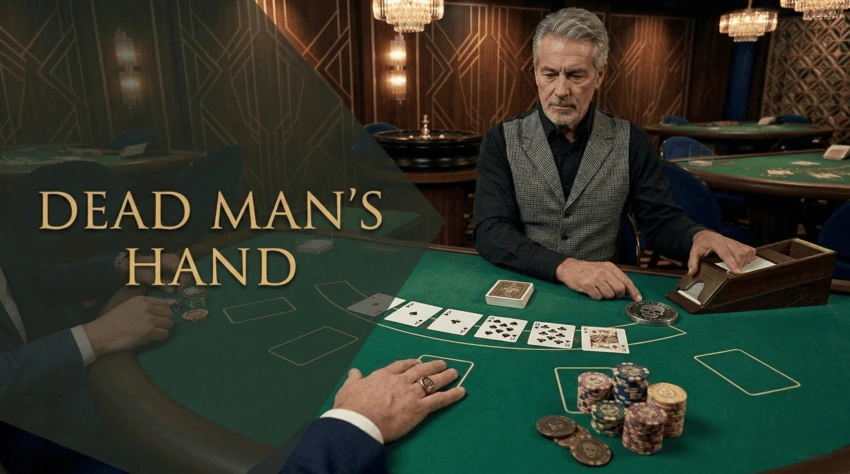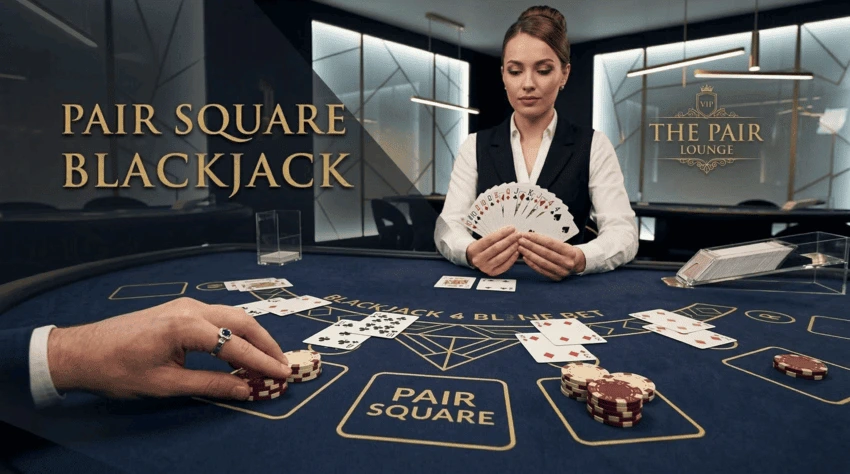
.webp)
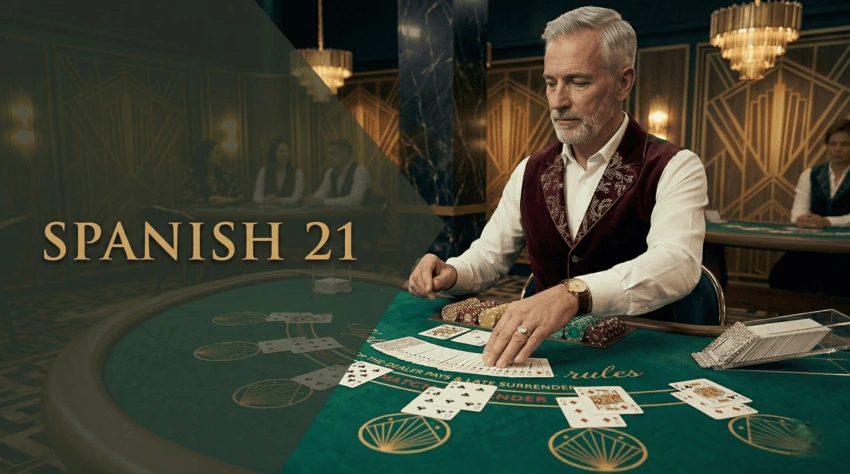
The 21+3 side bet combines blackjack and three-card poker into a single wager. You're using your two cards plus whatever the dealer shows to make a poker hand. Hit a flush or straight? You get paid before your blackjack hand even finishes.
You'll find this bet everywhere. People love it because there's zero thinking involved, and you can win 100 to 1 if the cards line up right. I'm breaking down how it works, what you actually get paid, and whether you should bother with it at all.
Here's how it works: your two cards plus the dealer's upcard make a three-card poker hand. If those three cards turn into a flush, straight, or something better, you win. Your main blackjack hand? Doesn't matter for this bet.
The timing is what makes this bet different. Cards get dealt, the dealer pays out the side bet right away, and then you play your hand like normal. You drop the bet, cards come out, boom — you know if you won. Then you play your blackjack hand separately.
You'll find the 21+3 side bet at most live online blackjack tables and many land-based casinos. It's popular because you get extra action without slowing anything down.
You'll see a small circle near your main bet spot. Drop your 21+3 chip there. Blackjack side bets usually have different min and max limits than the main game.
Cards get dealt like any blackjack hand. You get two cards face up, the dealer gets one up and one down. The three cards you can see? That's what matters for the side bet.
Dealer checks your two cards plus the upcard. If those three cards make a winning hand, you get paid. No winning hand? You lose the side bet. There's nothing you can do here. It's all luck.
Payouts depend on what's posted at the table. Once the side bet's done, you play blackjack like usual. These two bets don't affect each other at all.
Every casino pays out differently. These are typical payouts, but some tables go higher or lower. Check the pay table before you bet.
All three cards in the same suit? That's a flush. Could be three diamonds, three clubs, whatever. Ranks don't matter. You could have a 2, a 9, and a King of hearts and still win. They show up pretty often, so the payout's lower.
Three cards in a row. That's a straight. Like 4-5-6 or Jack-Queen-King. Suits don't have to match. Aces go high or low at most places. Queen-King-Ace works. So does Ace-2-3. Some tables handle it differently.
Same rank, different suits. Three 8s from different suits count. Payout's higher because it's tougher to hit. Getting three matching ranks with the dealer's card doesn't happen much.
Three cards in a row, all the same suit. That's your straight flush. [Delete - redundant] Like 7-8-9 of spades. Rare enough that you usually get 40 to 1.
This is the jackpot hand. Three identical cards. Same rank, same suit. Like three Queens of hearts. You need multiple decks for this since one deck only has one of each card. Hit this? You're looking at 100 to 1.
The house edge is worse on 21+3 than regular blackjack. Basic strategy for blackjack? About 0.5% house edge. This side bet? More like 3% to 8%. The pay table determines the exact edge.
You want a table paying 100 to 1 for suited three of a kind. Not 50 to 1. That alone changes the house edge by a couple of points. Same thing for every hand listed. Better payouts? Lower house edge.
Look at what the table pays before you bet. Takes two seconds and changes how much you can expect to win or lose.
Flushes show up the most. Then straights, then three of a kind. Straight flushes don't hit much. Suited three of a kind rarely happens. Payouts match how often each hand shows up.
Pay tables aren't the same everywhere. A quick look at the payouts tells you if you're getting a good deal or not. Better payouts? You'll lose less money over time.
Side bets eat through your money faster. The house edge is higher. Set aside a specific amount just for this bet. Makes it easier to handle the swings. Is money gone? Stop making the side bet.
House wins in the long run. That's just math. Playing for that big payout rush? Makes sense. Trying to make steady money from it? Bad idea.
Low on cash? Stick to regular blackjack. Your money lasts longer. Save side bets for when you've got enough bankroll to handle the ups and downs.
Sure, technically. But it's way more work than it's worth.
Regular card counting watches high and low cards to find good betting spots. For 21+3? You'd need to track suits and specific card combos all at once. Your brain would be working overtime, and you still wouldn't get much of an edge.
Most people? Not worth the headache. You're better off learning basic strategy and regular counting for the main game. Forget trying to beat this side bet.
Perfect Pairs just looks at your two cards. Match? You win. The 21+3 bet uses the dealer's upcard too, so you've got more ways to win. Most people like 21+3 better. Three cards mean more winning hands.
Insurance? You're betting the dealer has blackjack when they show an Ace. The house edge is terrible. Most experienced players skip it. 21+3 gives you more ways to win and usually better odds.
Depends what you want.
Want the best long-term odds? Stick to regular blackjack. The house edge is worse, and that adds up over time.
Want a lottery ticket shot at a big win? This bet does that. Hit suited three of a kind? That 100-to-1 payout is incredible. Doesn't happen much, but still. You're taking bigger swings for a chance at those huge wins.






.webp)