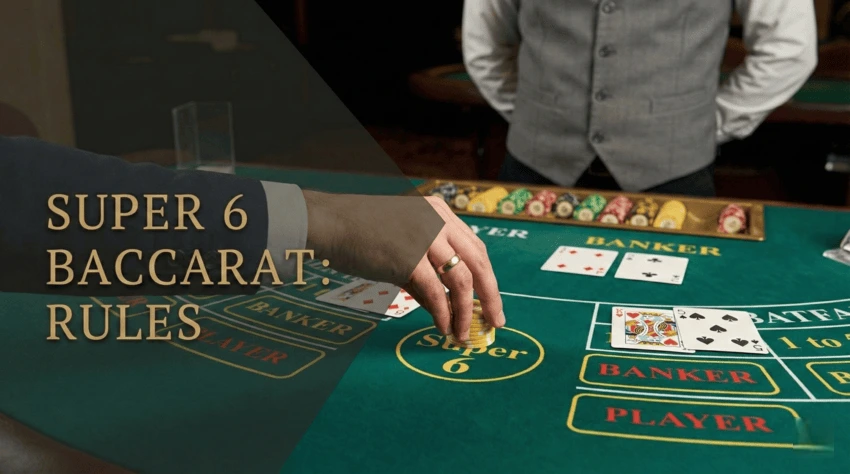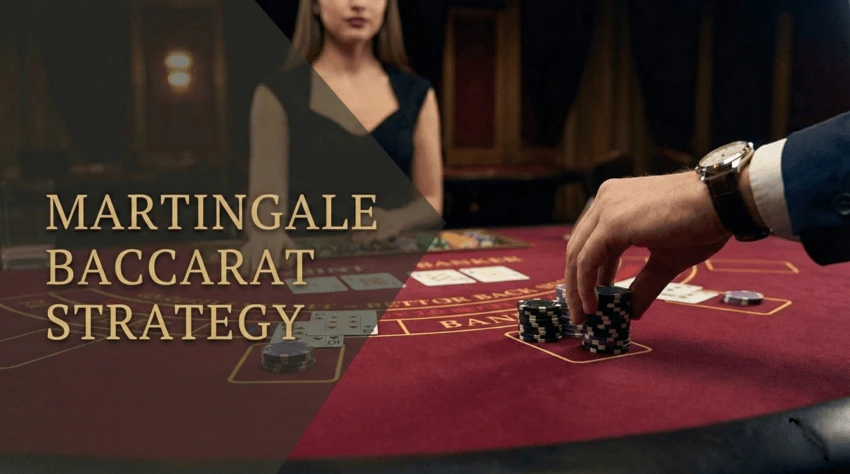

Baccarat looks like a game of pure chance, but the betting decisions you make determine how fast your bankroll grows or shrinks. Make bad bets consistently, and you'll watch your money disappear faster than you think.
You'll learn the betting systems real players use, the actual math behind each bet, and how to manage your money so you don't blow through your bankroll in 20 minutes.
The best baccarat strategy is straightforward: bet on the Banker. The Banker bet has a 1.06% house edge. That's the lowest edge you'll find on the table. Look, nothing guarantees you'll win. But the Banker bet gives you the best shot the game offers.
Baccarat differs from games like blackjack or poker because your decisions don't affect the outcome. Once you bet, the dealer uses a set chart to decide if more cards get dealt. You don't control any of that. Your only real choice is which bet to make.
So what does strategy actually accomplish in baccarat? It helps you lose less over time, stretch your bankroll through longer sessions, and skip the bets that'll clean you out fast. Baccarat strategy isn't some secret formula. It's just a smarter way to play.
Let me explain how baccarat works first. It'll take 60 seconds.
You're betting on which hand gets closest to 9: Player or Banker. You're not competing against anyone. Just predicting which side wins.
Baccarat uses a unique card counting system:
New players often worry about the third card rule, but here's the key point: you don't make this decision. The dealer uses a chart that tells them when to deal a third card. It's automatic. It's all automatic. Your only job is picking which bet to make.
You need to understand these three bets before anything else makes sense.
The Player bet pays even money. You keep everything you win. The catch? The house edge is a bit higher than the Banker bet.
Most serious players stick with the Banker bet. It's the smartest wager on the table. Casinos take 5% commission when Banker wins. Even with that cut, the math still works in your favor more than the Player bet. That's why you'll see pros betting Banker all night.
The Tie bet pays 8:1 or 9:1, depending on the table. Looks tempting, right? Here's the problem: that 14.36% house edge makes it one of the worst bets you can make anywhere in a casino. Smart players don't touch it.
Many baccarat tables offer additional wagers like Player Pair or Banker Pair. Side bets make things more interesting. They also come with way worse odds. Think of them as entertainment, not smart strategy.
Let's look at the betting systems players use. None beats the house edge. But they give you a plan for how to bet instead of just winging it.
Simple usually wins. And this is as simple as it gets. Betting Banker on every hand gives you the lowest house edge available. It's not flashy, but the math supports it.
The Paroli is a positive progression system used in baccarat, meaning you increase bets after wins rather than losses:
You risk less money while still taking advantage of hot streaks.
Another positive progression that follows a specific sequence. You bet 1 unit, then 3, then 2, then 4. Any loss resets you to the beginning. The 1-3-2-4 system gives you a plan without needing a huge bankroll.
The Martingale strategy is a negative progression system where you double your bet after every loss. In theory, one win recovers all previous losses plus one unit of profit.
The risk? Table limits and your bankroll become real problems when you hit a bad losing streak. Seven or eight consecutive losses can require bets that exceed table maximums or your available funds.
This system flips the Martingale logic: double after wins instead of losses. The Reverse Martingale tries to milk hot streaks while limiting damage when you're losing.
The Fibonacci system uses the famous mathematical sequence (1, 1, 2, 3, 5, 8, 13...) for bet sizing. Move one step forward in the sequence after a loss, and two steps back after a win. It's gentler than the Martingale. Recovering from losses still takes a while, though.
Increase your bet by one unit after a loss, decrease by one unit after a win. The D'Alembert works better if you want longer sessions without your bankroll swinging all over the place.
Create a number sequence (like 1-2-3-4) and bet the sum of the first and last numbers. Cross off both numbers after a win; add the lost amount to the end after a loss. The Labouchere gets complicated. The upside is that you can set your own profit goals.
This flat betting method spreads your money across multiple bets using the same pattern every time. The James Bond strategy mixes things up. But it doesn't change the math working against you.
Aggressive systems like the Martingale need serious money behind them. You'll burn through a small bankroll fast. Got a smaller bankroll? Stick with positive progression systems like Paroli or 1-3-2-4. They last longer.
Planning a long session? Flatter betting protects your bankroll over time. Shorter sessions let you bet more aggressively because you probably won't hit a brutal losing streak.
Some people like steady, boring sessions. Others want the wild swings that come with aggressive betting. Pick a system that fits how you like to play. You'll have more fun.
None of this matters if you don't manage your money right. Here's what you need to do:
Decide your exit points before sitting down. A common approach: stop after losing 50% of your session bankroll, or after winning 25-50% on top of it.
Every hand you play, the house edge grinds away at your money. Play shorter sessions and you give the house edge less time to work against you.
Games with fewer decks give you slightly better odds. Not huge, but it helps. When playing crypto baccarat online, look for this option in the game settings.
That 14.36% house edge? It makes the Tie bet one of the worst bets you can make anywhere. That big payout doesn't make up for the terrible odds.
Want to leave with money? Lock in your wins. It's the only guarantee you've got. I know the temptation to keep playing when you're hot. But the house edge keeps grinding whether you're winning or not.
Punto Banco is the standard version found in most casinos. Everything I've covered works for Punto Banco.
Mini Baccarat uses the same rules but features a faster pace and lower stakes. The faster pace means more hands per hour. That means the house edge eats into your bankroll quicker.
Speed Baccarat and Lightning Baccarat feature faster rounds and multiplier mechanics. Lightning Baccarat adds random multipliers on certain cards, creating higher variance. You'll find these at crypto casinos if you want fast, intense games.
Commission-free baccarat eliminates the 5% commission on Banker wins, but there's a catch: Banker wins on 6 typically pay 50% or push entirely. That rule changes the math. Keep it in mind when you play.
Emotional betting after losses will torch your bankroll faster than anything else. Stick to your limits no matter how well or badly things are going.
Each hand is independent of previous hands. That scoreboard with past results? It's just for fun. It doesn't predict anything. Past hands don't tell you what's coming next.
Complex doesn't mean better. Simple systems are easier to stick with, especially when you're tired or not paying full attention.
That 5% commission cuts into what you actually take home from Banker wins. Remember that commission when you're figuring out which bet to make.
A good baccarat strategy is pretty simple: bet Banker, manage your money, and don't overthink it. No system beats the house over time. But smart play makes your money last longer and cuts down on stupid losses.
The Banker bet has the lowest house edge at 1.06% and wins more often than Player. That makes it your best bet every time.
The Martingale can help you recover losses short term. But table limits and your bankroll become major problems if you hit a long losing streak.
You can technically count cards in baccarat. The advantage you get is tiny, though. Baccarat uses multiple decks, and the card removal effect is much smaller than in blackjack.
Flat betting on Banker keeps your risk low while using the best odds on the table. It's simple and you don't need to track anything complicated.
That 14.36% house edge isn't worth the bigger payout. Over time, the Tie bet kills your bankroll faster than anything else at the table.