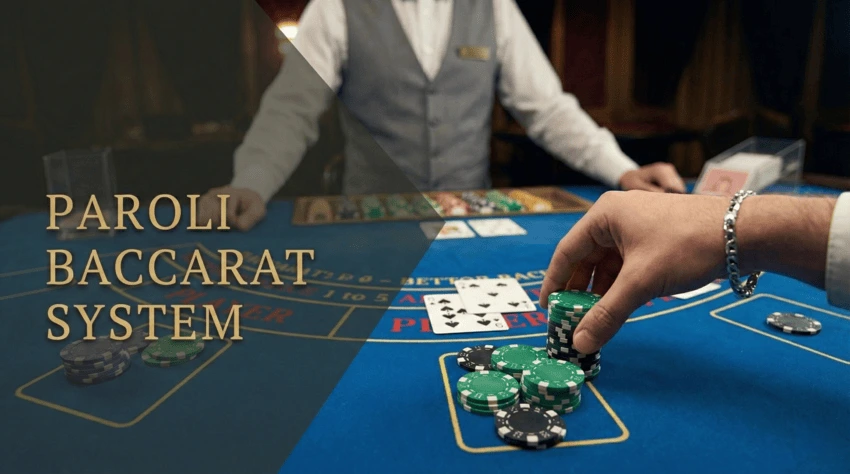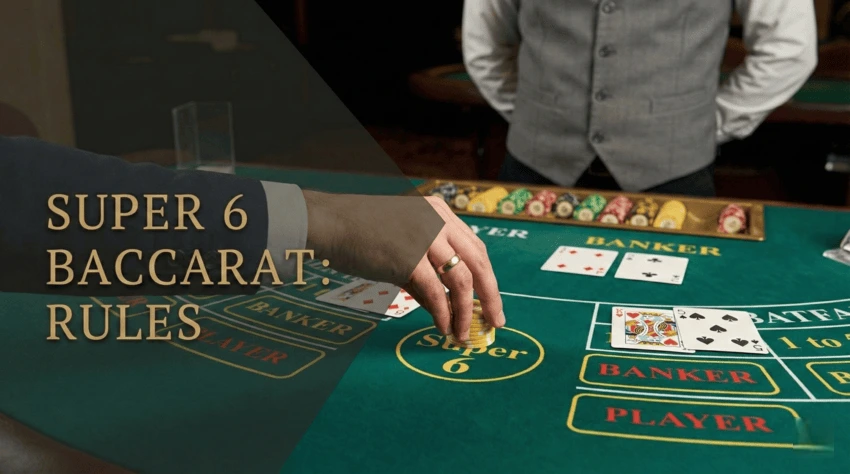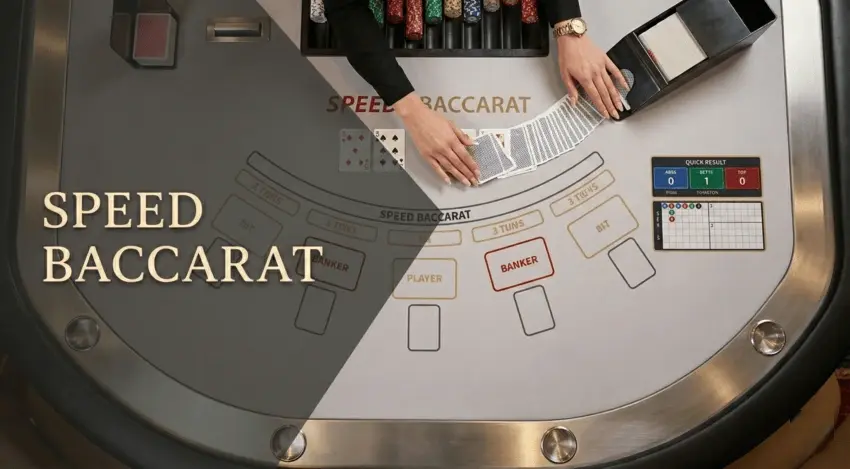

Baccarat's been around forever. The American version? That's what you'll see at pretty much every casino in the US, across Asia, and on online tables. It's also one of the simplest. You bet on which hand gets closer to nine, and the dealer does the rest.
American baccarat's dead simple. You're betting on which hand gets closest to nine. That's it. You're not playing against the house or making decisions during the hand. You pick Player, Banker, or Tie. After that, the dealer runs everything.
You'll also hear it called Punto Banco. It's the format found at nearly every casino in the United States, throughout Asia, and at online tables worldwide. The casino backs every bet and follows strict dealing rules. Your skill doesn't matter here. The cards decide everything.
You might have heard of Chemin de Fer or Baccarat Banque. Both versions let players take turns as the bank and make their own calls during the hand. American baccarat removes all of that. The drawing rules run on autopilot. Dealer does the work. You just pick where your chips go before the cards hit the table.
Most baccarat tables fit 14 people, but you won't see seat 13 anywhere (superstition thing). Every spot gives you three circles: Player, Banker, and Tie.
Online tables? Even cleaner. Same betting options, but the software tracks commissions for you.
Baccarat uses a counting system that takes about 30 seconds to learn. Aces count as one. Cards 2 through 9? They're worth what they show. Tens and face cards (Jack, Queen, King) count as zero.
Here's where the game gets interesting. If a hand totals more than nine, you drop the first digit. A hand of 7 and 8 equals 15, which becomes 5. Got a 6 and 4? That's 10, so it drops to 0. This "modulo 10" rule keeps every hand between 0 and 9.
Playing baccarat takes less than a minute per hand. Everything happens in order. Once you bet, the dealer takes it from there.
Before any cards come out, choose your wager: Player, Banker, or Tie. Some tables also offer side bets like Player Pair or Banker Pair. Once betting closes, you're locked in and can't change anything.
Two cards go to Player, face-up. Two more go to Banker, also face-up. Unlike some card games, there's no hidden information here. Everyone at the table sees everything.
If either hand totals 8 or 9 on the first two cards, that's called a "natural," and the round ends immediately. If not, preset rules decide if a third card gets dealt. You don't choose anything at this point. Dealer just reads the chart.
The hand closest to 9 wins. If you bet on the winning side, you get paid. Ties push Player and Banker bets back to you, unless you specifically bet on Tie.
The third-card rules confuse a lot of new players, but here's the thing: you don't actually need to memorize them. The dealer follows a set chart for all of it. Still, knowing the basics means you can actually track what's happening.
Player hand? Draws on 0 through 5. Stands on 6 or 7. Natural 8 or 9? Nobody draws.
Banker rules? They're trickier. They shift based on whatever the Player's third card is. Check the table for the full breakdown. But look, the dealer handles this stuff anyway.
You've got three main bets. All three pay differently.
Player bet? Even money, no commission taken out. House edge is a bit worse than Banker, but some people like that there's no commission to track.
Banker pays even money too, but they take 5% off your wins. Why the commission? The Banker hand wins slightly more often due to the drawing rules. That little edge means Banker's your best bet mathematically, even with the commission cut.
The Tie bet pays 8:1 or 9:1, depending on the table. Sounds good until you check the math. House edge shoots way up compared to Player or Banker. Most people who know the game skip it.
Many tables offer extras like Player Pair, Banker Pair, Big, Small, or Dragon Bonus. Side bets mix things up, but the house edge gets way worse. Play them for fun if you want, but don't build your strategy around them.
Baccarat's known for a low house edge because of those main bets. Banker got the best odds, even with that 5% commission. The Player bet follows close behind. The Tie bet is where the house takes a much larger cut.
This math is why baccarat attracts high rollers. Over time, the house edge on main bets stays lower than most other table games.
Look, baccarat's mostly luck. But a few things will keep you from throwing money away.
That commission's annoying, sure. But Banker still beats Player if you're playing more than a few hands. That's why most regulars stick with it.
That 8:1 payout looks tempting until you realize how rarely ties actually occur. The math says don't make Tie a regular thing.
Baccarat moves fast. Hands finish fast, so your money can move up or down quickly. Pick your limit before you sit. Makes it way easier to walk away.
Those scorecards showing past results? They're for entertainment. Every hand's separate. No baccarat strategy fixes the math. Martingale, Fibonacci, whatever. None of them beat the house edge.
You'll see a few spins on standard American baccarat. Land-based and online casinos both have them.
Mini-baccarat? Same rules, smaller bets, quicker hands. One dealer handles everything instead of a full crew. You'll see this version all over online and at most mid-level casinos.
No commission baccarat ditches that 5% cut on Banker wins. Catch? Banker wins on 6, only pays half. Math-wise, it evens out.
Speed baccarat shrinks betting windows to around 10 seconds. People who want to jam through hands fast love it.
Live dealer baccarat streams real dealers from professional studios to your device. Feels more social than software-only games, and you can play from your couch. Crypto tables at places like JB let you deposit instantly and pull your money fast.
New players make the same mistakes over and over.
That big payout catches your eye, but ties just don't happen often enough to make it worth it.
New players celebrate a Banker's win and forget about that 5% cut. Small thing, but it changes what you actually pocket.
No progressive system overcomes the house edge. Baccarat's still luck no matter how you bet.
You don't need to memorize the drawing chart. The dealer follows it automatically. Just worry about which bet you're making.
Online baccarat uses the same rules as live casinos. Main difference? Speed and how easy it is to jump in. RNG tables deal cards instantly. Live dealer tables stream real dealers, so it feels more social.
Crypto platforms like JB have both types, plus some games let you verify fairness yourself. Provably fair means you can check the math yourself and see nobody rigged the hand.
If you want fast, clean action, baccarat delivers. Rules are simple. The house edge is low on the main bets. Hands finish fast. No complicated strategy to learn. No bluffing. No sitting there making a dozen decisions.
Want straightforward gambling with nothing slowing you down? This is it. Crypto platforms make it even smoother. Deposits hit in minutes, withdrawals go quickly, and switching tables is instant.