Baccarat's been around longer than almost any casino game you can name. Five hundred years of wars, border changes, and tech revolutions, and it's still here. A game that started with Italian nobles now makes more money in Macau than slots. Let that sink in.
We're tracking this game from 1400s Italy to French card rooms, through a royal British scandal, Cuban casinos, and finally crypto casinos. Here's how baccarat evolved, why Asian casinos can't get enough of it, and what makes high rollers obsessed with this game.
Baccarat is a card game where you bet on which of two hands will total closest to nine. Unlike blackjack or poker, you don't make any decisions once the cards are dealt. You place your wager, and the dealer handles everything from there.
You've got three bets to choose from:
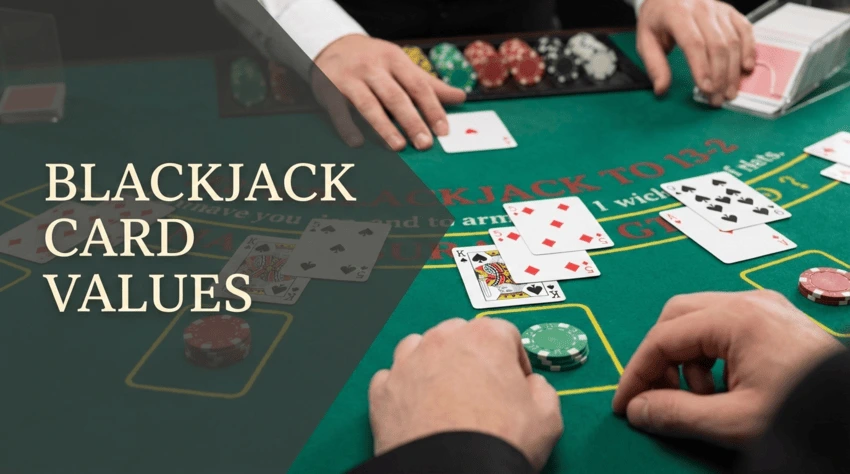
Face cards and tens count as zero in baccarat. Aces count as one. If a hand totals more than nine, only the second digit counts. So seven plus eight gives you 15, but that hand's worth five.
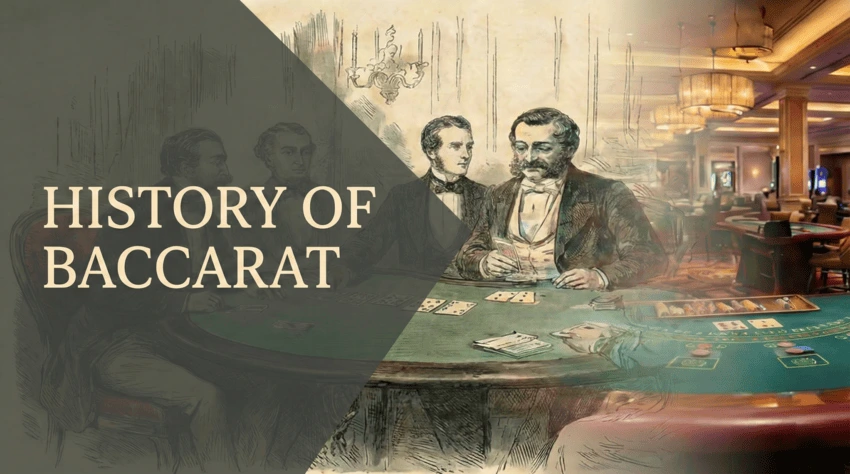
Baccarat likely began in Italy back in the 1400s. It was first played by the rich, and it took a long time to spread through the rest of Europe. We don't know the exact history for sure, but most people who study games agree that Italy is the game’s true home.
Rich Italians in the late medieval period were the first to play baccarat. Card games were how the upper class killed time at parties. Baccarat fit right in. For a few hundred years, only aristocrats played. Regular people didn't get access to the game.
Felix Falguiere supposedly invented baccarat in the 1480s. He was a gambler, naturally. He called the game "baccara" (the Italian spelling) and reportedly based it on an older Etruscan ritual. Some stories say Falguiere played with tarot cards instead of regular playing cards.
Did Falguiere invent baccarat or just write down rules people already used? We don't know. Here's what we do know: the name and that goal of hitting nine haven't changed in 500 years.
Not all historians agree on the Italian origin. A few alternative theories exist:
None of these other theories have much proof backing them up. Italy's the origin story most people accept.
The word "baccarat" comes from "baccara," which means "zero" in Italian. The name makes sense when you realize tens and face cards are worth nothing in this game.
Here's the twist: cards that look powerful in other games are worthless in baccarat. A hand full of kings and queens equals zero. That link between the name and how you score? It's survived centuries and crossed into dozens of languages.
Once Italy caught on, France picked up baccarat next. England came after that. Each country changed the rules a bit. Some of those versions are still around.
French nobles found baccarat in the late 1400s and got hooked fast. French players developed their own version called Chemin de Fer, which translates to "railway." The name comes from the shoe holding the cards, which passes around the table from player to player like a train moving along tracks.
Chemin de Fer works differently. Players take turns being the banker. That rotation makes it more social than games where you just watch cards get dealt. European private card rooms kept playing this version until the 1900s.
England got baccarat from France. Exclusive gentlemen's clubs started offering the game. In 1891, the Prince of Wales testified in a cheating case at a private baccarat game. (He later became King Edward VII.) The scandal made headlines.
British newspapers went crazy with the story. Funny thing about that scandal: way more people learned about baccarat because of it.
Baccarat got to the Americas through an unexpected path. The Caribbean had it first. Las Vegas came later.
Cuban casinos in the 1950s were baccarat's entry point to the Western Hemisphere. The Cuban Revolution shut down Havana's casinos. Operators fled to Nevada and brought baccarat with them.
American players weren't interested at first. The game felt too European, too connected to old-world aristocrats. Vegas casinos couldn't fill baccarat tables for years.
American casinos fixed this by making the rules simpler. They created Punto Banco. In this version, the house acts as banker every time. You just bet. No dealing, no deciding whether to draw more cards.
That simpler format made the game less scary for new players. Punto Banco became the standard in American casinos, then went global. When you play baccarat at most modern casinos or online platforms, you're almost certainly playing Punto Banco.
A few different versions of baccarat are still around. Each works a little differently. Knowing which version you're playing helps you know what to expect.
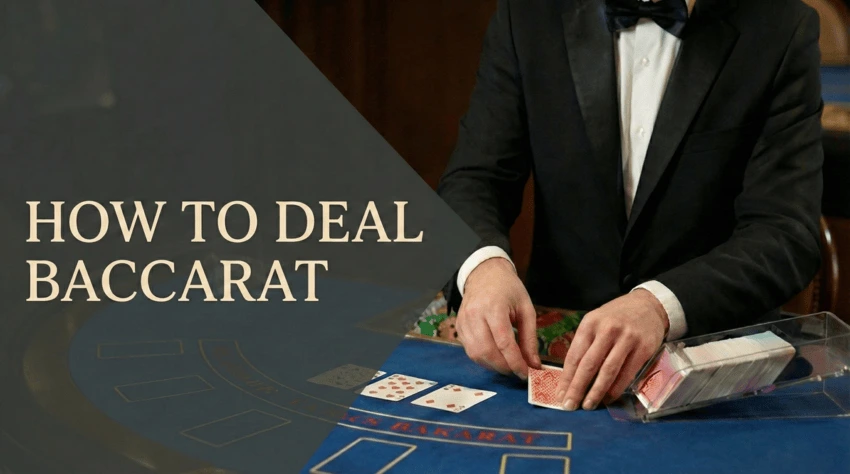
You'll see Punto Banco more than any other version. The dealer runs everything. Both hands follow set rules for drawing cards. Once you bet, there's no skill involved. The cards just play out. Online casinos and Asian gaming floors mostly use this version.
Chemin de Fer lets players rotate the banker spot. You also get to decide whether to draw a third card sometimes. Some players like that they get to make decisions. Chemin de Fer shows up in high-limit European rooms. You won't see it on regular casino floors.
Baccarat Banque is like Chemin de Fer, except one player stays banker for the whole shoe (or until they pass the role). You'll see this version in some European casinos, but faster formats have mostly taken over.
Mini Baccarat follows Punto Banco rules but uses lower stakes and a smaller table. Games move fast, which newer players like. You'll find Mini Baccarat on the main floor, not hidden in VIP sections.
Baccarat got its classy reputation for a reason. Movies and books spent decades building up baccarat's glamorous image.
Ian Fleming gave James Bond baccarat as his signature game in the 1953 Casino Royale novel. Bond plays Chemin de Fer against Le Chiffre in a scene loaded with tension and huge bets. Early Bond movies kept showing 007 at baccarat tables in fancy European casinos.
The 2006 Casino Royale film adaptation switched to Texas Hold'em poker, reflecting how audience familiarity with card games had changed. Longtime Bond fans still associate 007 with baccarat, though.
Other movies use baccarat too, usually when they want to show wealth and serious gambling. The Rush Hour movies have baccarat scenes. Heist films throw in baccarat tables when they need a fancy casino vibe. The formal dealing and big bets look good on screen.
Walk into any Macau casino. Baccarat tables are everywhere. Baccarat generates more revenue in Asian casinos than all other table games combined. A few things explain why it's so popular:
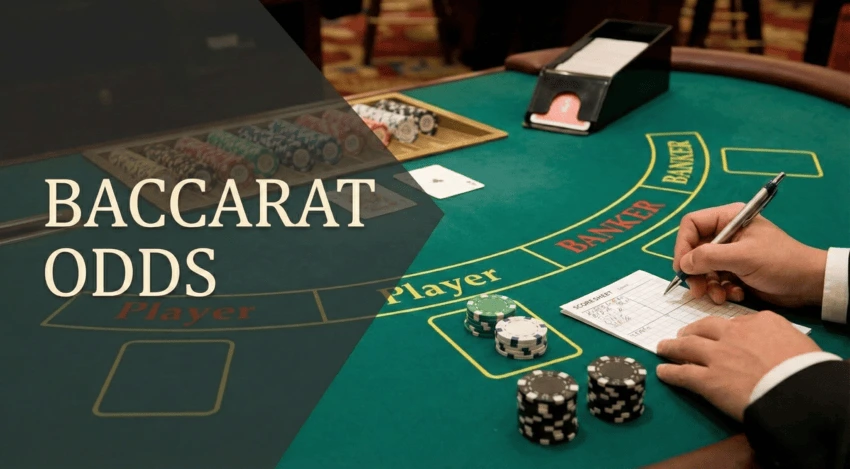
The Banker bet has a house edge of around 1.06%. That's good odds if you're betting big.
Online platforms kept baccarat's core game but made it faster and more convenient. Baccarat moved online easily.
The simple rules work great on mobile. Each hand takes seconds. The rules don't change whether you're on your phone or large screen devices.
Baccarat lasted 500 years for good reasons: fast games, simple rules, decent odds.
Maybe you like baccarat's history. Maybe you care about its cultural weight. Or maybe you just want straightforward gambling. Either way, the game delivers. JB.com offers a modern way to play this classic, with crypto-friendly tables delivering the speed today's players expect.
Baccarat's mostly luck. Once you bet, the cards decide everything based on set rules. Your only strategy is picking which bet to make. Banker bets have slightly better odds long-term.
Low house edge plus high betting limits equals perfect for big bets. If you're betting big money, you lose less to the house than with other casino games.
Ian Fleming put Chemin de Fer in his 1953 Casino Royale novel. The game's classy European vibe fit Bond's character. Early movies kept that connection.
Blackjack makes you decide whether to hit, stand, or double down during each hand. Baccarat takes away all your decisions once you bet. Cards get dealt following set rules. The outcome's pure chance.